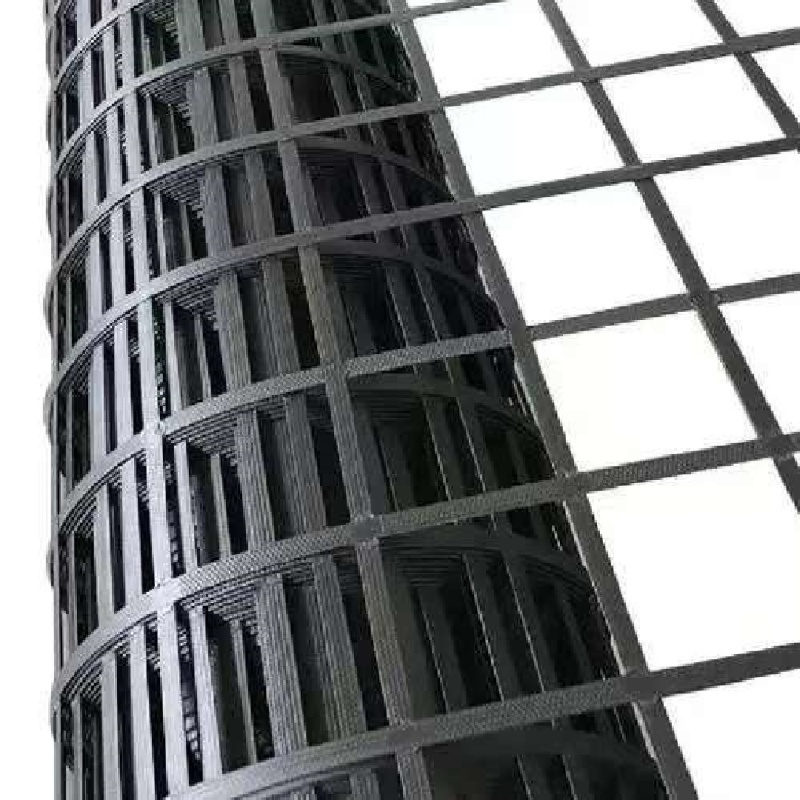
high quality Bidirectional welded geogrid
Description
Plastic geogrid is a high-strength bidirectional geogrid designed to provide exceptional reinforcement and stability in various civil engineering applications. This welded plastic geogrid offers superior load distribution, ensuring long-term performance in challenging environments. As a plastic bidirectional geogrid, it is engineered to withstand heavy traffic, soil movement, and environmental stress, making it an ideal solution for road construction, slope stabilization, and foundation support. Its advanced manufacturing process ensures durability, resistance to corrosion, and ease of installation, making it a preferred choice among engineers and contractors worldwide.
The key characteristics of this high-strength bidirectional geogrid include its robust structure, which allows for efficient stress transfer between soil particles. The welded plastic geogrid features a unique grid pattern that enhances tensile strength and prevents soil displacement. This plastic bidirectional geogrid is available in multiple widths and thicknesses, allowing for customization based on specific project requirements. Its lightweight design makes it easy to handle and transport, while its flexibility ensures compatibility with different types of subsoil conditions.
During the detailed description, it is important to highlight how this product functions within various construction scenarios. The high-strength bidirectional geogrid works by interlocking with surrounding soil, creating a stable composite material that resists deformation under pressure. This welded plastic geogrid is particularly effective in reinforcing weak or unstable ground, reducing settlement, and improving overall structural integrity. It can be used in both new construction projects and the rehabilitation of existing infrastructure, offering cost-effective solutions for long-term stability.
The application of this plastic bidirectional geogrid spans across several industries, including transportation, agriculture, and land development. In road construction, it helps prevent cracks and rutting by distributing loads evenly across the pavement. For slope stabilization, it provides additional support to prevent erosion and landslides. In agricultural settings, it aids in soil retention and drainage, promoting healthier crop growth. Additionally, it is widely used in retaining walls, embankments, and other earthworks where structural reinforcement is essential.
Users have reported positive experiences with this high-strength bidirectional geogrid, noting its reliability and effectiveness in diverse conditions. Many professionals appreciate its ease of installation, as it requires minimal equipment and labor. The welded plastic geogrid has proven to be a durable and cost-efficient alternative to traditional reinforcement methods. Contractors often commend its ability to maintain performance over time, even in harsh climates or high-traffic areas. Overall, it has become a trusted component in modern construction practices around the globe.
When considering common questions about this product, users often ask about its lifespan, installation process, and compatibility with different soil types. The high-strength bidirectional geogrid is designed to last for decades without significant degradation, provided it is installed correctly. Installation typically involves laying the geogrid in layers, securing it with appropriate fasteners, and backfilling with suitable materials. It is compatible with a wide range of soils, including sandy, clayey, and rocky substrates, making it a versatile option for various projects. Another frequently asked question relates to maintenance, but due to its durable nature, little to no upkeep is required once properly installed.


You may also like


${currentPro.title}