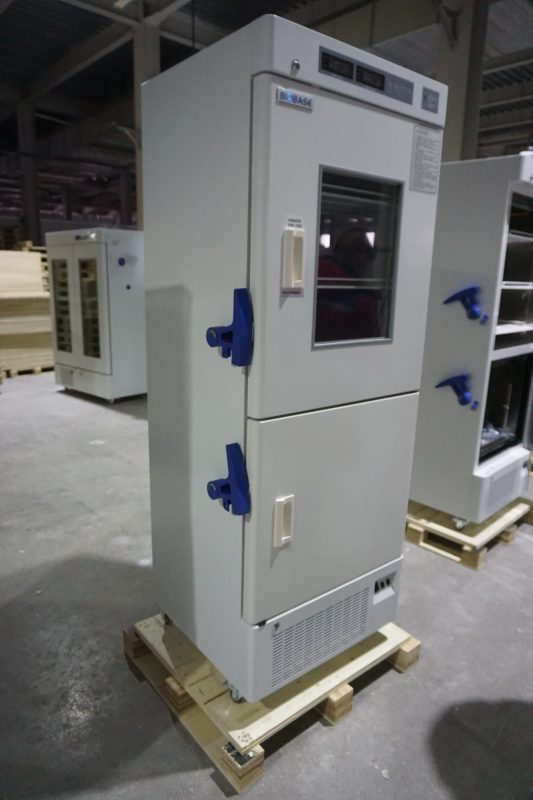
Advanced Medical Refrigeration Unit for Clinical Use
Description
Medical refrigeration units play a crucial role in maintaining the integrity and efficacy of medical devices, pharmaceuticals, and biological samples. These specialized cooling systems are designed to provide precise temperature control, ensuring that sensitive medical products remain within their required storage conditions. Whether it's for clinical settings, research laboratories, or healthcare facilities, a reliable medical device cooling system is essential for compliance with regulatory standards and for preserving product quality. Clinical refrigeration equipment is engineered to meet the unique demands of the healthcare industry, offering durability, precision, and consistent performance. The key features of modern medical refrigeration units include advanced temperature monitoring systems, digital controls, alarm functions, and energy-efficient designs. These units often come equipped with dual temperature zones, allowing for the simultaneous storage of different types of medical supplies at varying temperatures. The integration of high-quality insulation materials ensures minimal temperature fluctuations, which is vital for maintaining the stability of vaccines, medications, and other temperature-sensitive items. Additionally, many models feature user-friendly interfaces and remote monitoring capabilities, enabling healthcare professionals to track and manage storage conditions effectively. In terms of design, medical refrigeration units are built to withstand frequent use and maintain optimal performance over time. They are typically constructed from corrosion-resistant materials and include features such as adjustable shelving, lockable doors, and easy-to-clean interiors. The cooling systems used in these units are specifically calibrated to handle the thermal load associated with medical storage, making them more efficient and reliable compared to standard household refrigerators. Some models also incorporate humidity control mechanisms, further enhancing their ability to preserve the integrity of stored items. Medical refrigeration units find application in a wide range of environments, including hospitals, clinics, laboratories, blood banks, and pharmacies. In clinical settings, these units are essential for storing vaccines, insulin, and other temperature-sensitive drugs. In research facilities, they are used to keep cell cultures, reagents, and biological samples at stable conditions. For healthcare providers, having access to a dependable medical device cooling system ensures that all critical supplies are properly maintained, reducing the risk of spoilage and ensuring patient safety. User feedback on medical refrigeration units often highlights their reliability, ease of use, and effectiveness in maintaining proper storage conditions. Many users appreciate the accurate temperature readings and the ability to monitor and adjust settings remotely. Others commend the quiet operation and compact design, which makes these units suitable for space-constrained environments. Overall, the positive experiences reported by healthcare professionals emphasize the importance of investing in high-quality clinical refrigeration equipment. When considering the purchase of a medical refrigeration unit, it's important to evaluate factors such as temperature range, accuracy, energy consumption, and compliance with relevant standards. Choosing a unit that offers long-term durability and minimal maintenance requirements can lead to significant cost savings over time. Additionally, selecting a model with comprehensive support and warranty options ensures peace of mind and ongoing reliability. Common questions about medical refrigeration units often revolve around installation, maintenance, and troubleshooting. Users frequently ask about the recommended temperature ranges for different types of medical products, how to calibrate the unit, and what to do in case of a power outage. Understanding these aspects can help ensure the continued functionality and safety of the equipment. Regular maintenance, such as cleaning the condenser coils and checking the door seals, is also essential for optimal performance. For those seeking a medical refrigeration solution, it's advisable to consult with experts in the field to determine the best option based on specific needs and requirements. Whether it's a standalone unit or part of an integrated cooling system, the right choice can make a significant difference in the efficiency and effectiveness of medical storage operations. By prioritizing quality, precision, and reliability, healthcare professionals can ensure that their medical refrigeration units serve as a trusted and essential component of their facility.


You may also like


${currentPro.title}