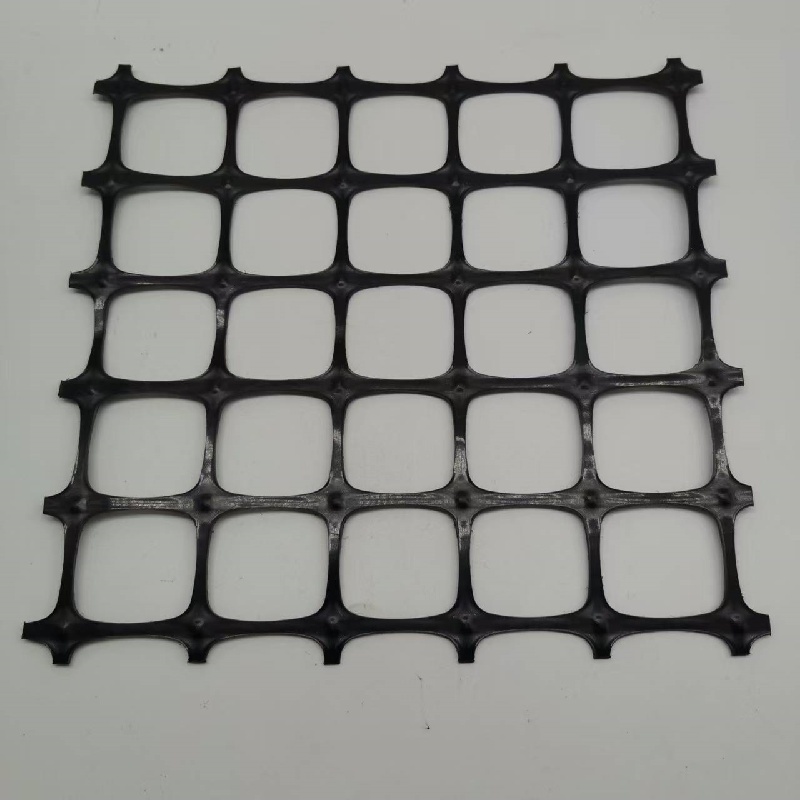
Durable Reinforcement Material For Construction Projects
Description
Bi-directional Plastic Stretch Geogrid: High Strength Geogrid for Construction and Geogrid Reinforcement Material In the construction and real estate industry, the need for durable and reliable materials is essential to ensure structural integrity and long-term performance. One such material that has gained significant attention is the bi-directional plastic stretch geogrid. This advanced reinforcement solution is designed to provide superior tensile strength and stability in various civil engineering applications. As a high strength geogrid for construction, it plays a crucial role in reinforcing soil and other subgrade materials, making it an ideal choice for projects requiring enhanced load distribution and support. The key characteristics of this geogrid include its unique bi-directional structure, which allows for even stress distribution in both longitudinal and transverse directions. This feature makes it highly effective in preventing soil movement and maintaining the shape of the underlying layers. Additionally, the material used in the manufacturing process ensures excellent resistance to environmental factors such as moisture, UV exposure, and chemical degradation, thereby extending the lifespan of the product. The high strength geogrid for construction is also known for its ease of installation, making it a practical and efficient solution for engineers and contractors alike. When considering the detailed description of the bi-directional plastic stretch geogrid, it is important to note that it is manufactured using high-density polyethylene (HDPE) or similar thermoplastic materials. These materials are chosen for their ability to withstand heavy loads and maintain their structural properties over time. The grid's open structure allows for proper drainage and compaction, which further enhances the stability of the base layer. This makes it particularly useful in road construction, embankment reinforcement, and retaining wall systems where soil stabilization is critical. The application of this geogrid extends beyond traditional infrastructure projects. It is widely used in residential and commercial developments, especially in areas where soil conditions are unstable or prone to erosion. By incorporating this geogrid into the foundation, builders can reduce the risk of settlement and improve the overall durability of the structure. Moreover, it serves as an effective alternative to conventional reinforcement methods, offering a cost-effective and sustainable option for modern construction needs. In terms of usage scenarios, the bi-directional plastic stretch geogrid is commonly employed in a variety of settings. For instance, in highway and road construction, it helps to prevent cracks and rutting by distributing traffic loads more evenly across the subgrade. In landscaping and garden design, it can be used to reinforce slopes and prevent soil erosion. In addition, it is often integrated into retaining walls, where it provides additional support and prevents lateral movement of the retained material. Its versatility makes it a valuable asset in both large-scale and smaller construction projects. User reviews highlight the effectiveness and reliability of this geogrid in different environments. Many professionals have reported improved performance in their projects after incorporating this material. Some users mention that the installation process was straightforward and that the product performed well under varying weather conditions. Others appreciate the long-term benefits, noting that the geogrid maintained its integrity over time without showing signs of deterioration. These positive experiences reinforce the value of the bi-directional plastic stretch geogrid as a trusted reinforcement solution. Frequently asked questions about this product often revolve around its suitability for specific applications and how it compares to other reinforcement materials. One common question is whether it is compatible with different types of soil and subgrade conditions. The answer is that it is designed to work effectively with a wide range of materials, including sand, gravel, and clay. Another query relates to its load-bearing capacity, which is typically determined by the thickness and strength of the geogrid. Users also ask about maintenance requirements, but since the product is resistant to most environmental factors, minimal upkeep is needed once installed. Overall, the bi-directional plastic stretch geogrid stands out as a high strength geogrid for construction due to its robust design, durability, and versatility. Whether used in roadways, foundations, or slope stabilization, it offers a reliable and efficient way to enhance the performance of construction projects. As the demand for sustainable and resilient building materials continues to grow, this geogrid remains a top choice for professionals seeking quality and innovation in their work.


You may also like


${currentPro.title}