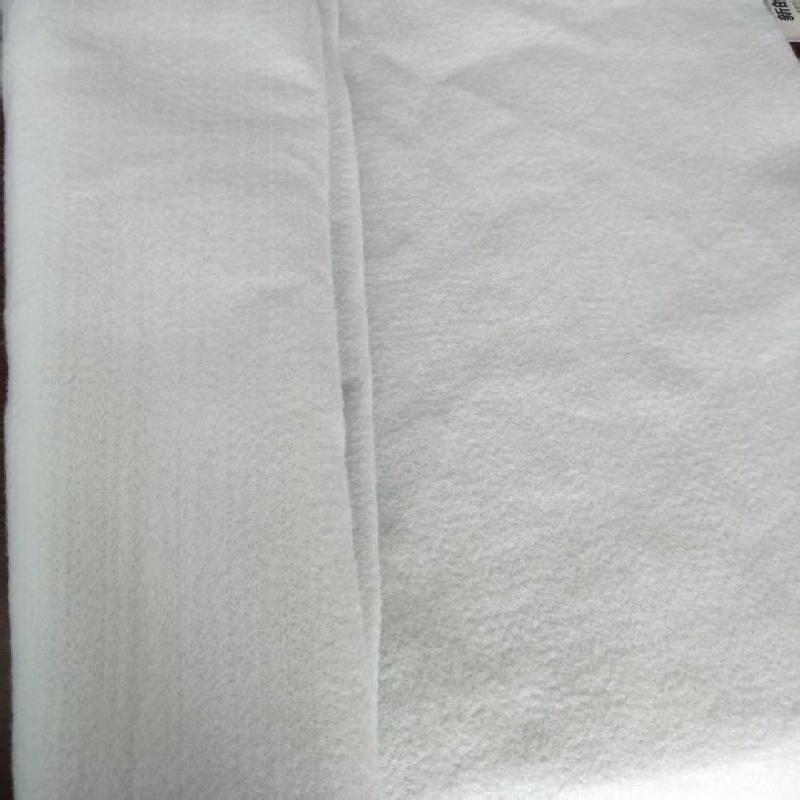
High Strength Staple Fiber Geotextiles for Construction
Description
Staple Fiber Geotextiles for Construction are essential materials used in modern construction and civil engineering projects to ensure stability, drainage, and long-term durability. These geotextile fabrics are specifically designed to provide reinforcement and separation between different soil layers, preventing contamination and enhancing the structural integrity of roads, embankments, and foundations. As a key component in soil stabilization and road development, geotextile material for road projects plays a vital role in reducing maintenance costs and extending the lifespan of infrastructure. Whether it's for highway construction, retaining walls, or drainage systems, these versatile products offer an effective solution for a wide range of applications. The primary purpose of staple fiber geotextiles is to act as a filter, separator, and reinforcement layer in various geotechnical projects. They are manufactured from high-quality synthetic fibers such as polyester or polypropylene, ensuring resistance to UV degradation, moisture, and chemical exposure. This makes them ideal for use in both temporary and permanent structures. The geotextile fabric for soil stabilization provides an efficient means of distributing loads evenly across the ground, minimizing the risk of soil erosion and settlement. By incorporating these materials into the design of roadways and other infrastructure, engineers can achieve improved performance and cost-effective solutions. Key features of staple fiber geotextiles include their high tensile strength, excellent permeability, and ease of installation. These properties make them suitable for use in a variety of environments, including areas with challenging soil conditions. Their ability to allow water to pass through while retaining fine soil particles ensures proper drainage and prevents the buildup of hydrostatic pressure. Additionally, the durability of these materials ensures that they maintain their effectiveness over time, even under heavy traffic and extreme weather conditions. The geotextile material for road projects is also known for its flexibility, allowing it to conform to irregular surfaces and provide consistent support. In terms of detailed description, staple fiber geotextiles are typically available in different weights and thicknesses, catering to specific project requirements. They can be either woven or non-woven, depending on the intended application. Woven varieties are often used for reinforcement and structural support, while non-woven types are preferred for filtration and separation purposes. The manufacturing process involves spinning synthetic fibers into a web-like structure, which is then bonded using heat, chemicals, or mechanical methods. This results in a strong and durable product that can withstand the stresses encountered in construction sites. The use of geotextile fabric for soil stabilization extends beyond just road construction. It is also widely employed in landscaping, agricultural projects, and environmental restoration efforts. For instance, in slope stabilization, these materials help prevent soil movement and promote vegetation growth by creating a stable base for plants. In drainage systems, they serve as a critical component in preventing clogging and ensuring the smooth flow of water. Furthermore, in landfill applications, geotextiles are used to separate different layers of waste and improve the overall containment efficiency. When it comes to user feedback, many professionals in the construction industry have praised the reliability and performance of staple fiber geotextiles. Users often mention how these materials significantly reduce the need for frequent repairs and maintenance, leading to long-term cost savings. The ease of handling and installing the geotextile material for road projects has also been highlighted as a major advantage, especially in large-scale developments where time and labor efficiency are crucial. Some users have noted that the materials perform exceptionally well in both dry and wet conditions, making them a versatile choice for diverse climates. Common questions about staple fiber geotextiles include inquiries about their lifespan, compatibility with different soil types, and whether they require any special treatment during installation. Most manufacturers state that these materials can last for several decades under normal conditions, provided they are installed correctly. They are generally compatible with a wide range of soils, including sandy, clayey, and loamy types, but it is advisable to conduct a site assessment before use. While no special treatment is required, proper compaction and alignment are essential to maximize their effectiveness. Additionally, some users may wonder about the environmental impact of these materials, but most are made from recyclable synthetic fibers and do not pose significant ecological risks when disposed of properly. In conclusion, staple fiber geotextiles for construction are indispensable tools in modern engineering. Their ability to enhance soil stability, improve drainage, and reinforce road structures makes them a valuable asset in a variety of applications. Whether used in soil stabilization, road development, or environmental projects, these geotextile fabrics offer a reliable and sustainable solution. With their high strength, durability, and versatility, they continue to play a crucial role in shaping the future of infrastructure and civil engineering worldwide.


You may also like


${currentPro.title}