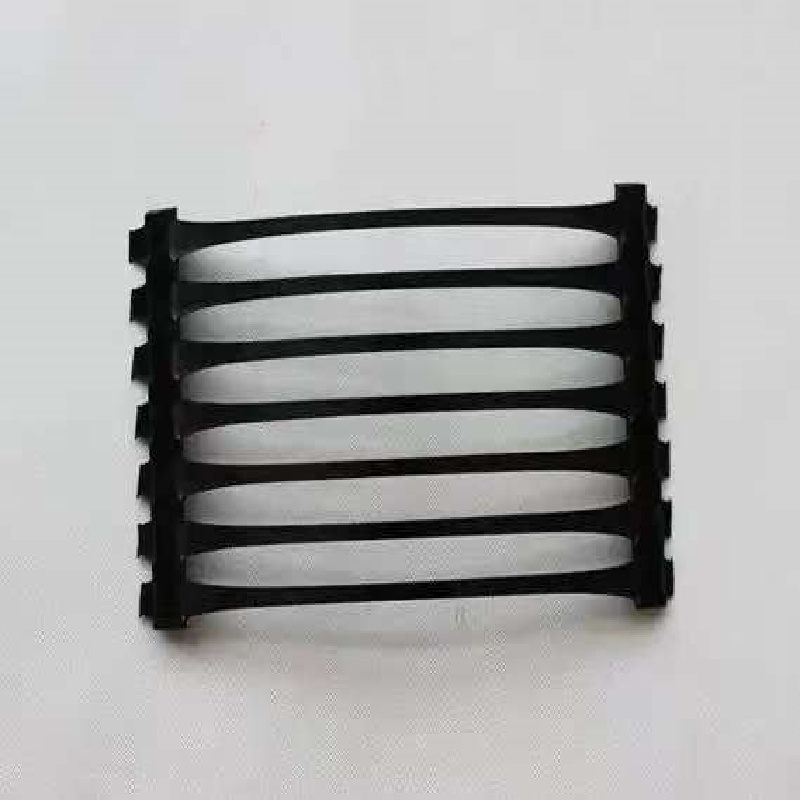
Reliable One Way Plastic Geogrid for Ground Stabilization
Description
One way plastic geogrid for construction and one way geogrid for earth stabilization are advanced engineering materials designed to enhance the structural integrity and longevity of various infrastructure projects. These products are widely used in the construction and real estate sectors to provide superior reinforcement, support, and stability to soil and subgrade layers. Whether it's for roadways, embankments, retaining walls, or foundation systems, these geogrids offer a reliable solution that meets modern engineering standards. The key features of one way plastic geogrid for construction include high tensile strength, excellent resistance to environmental degradation, and a unique unidirectional structure that allows for optimal load distribution. This design ensures that the geogrid can withstand heavy traffic, extreme weather conditions, and long-term exposure without compromising its performance. Additionally, the material is lightweight, making it easy to handle and install, which contributes to cost-effective and efficient construction processes. In terms of one way geogrid for earth stabilization, the product is specifically engineered to prevent soil erosion, improve slope stability, and enhance the load-bearing capacity of weak or unstable ground. The unidirectional orientation of the geogrid helps in directing the forces in a single direction, thereby preventing lateral movement and ensuring a more uniform distribution of stress. This makes it an ideal choice for applications such as hillside stabilization, drainage systems, and slope reinforcement. When it comes to detailed description, one way plastic geogrid for construction is manufactured using high-density polyethylene (HDPE) or similar durable polymers. The manufacturing process involves extrusion and stretching to create a strong and resilient grid structure. The open-cell design allows for proper drainage while maintaining the structural integrity of the surrounding soil. This combination of flexibility and strength makes the geogrid suitable for both temporary and permanent applications. The use of one way geogrid for earth stabilization extends beyond traditional civil engineering projects. It is also employed in landscaping, agricultural terracing, and even in the development of green roofs and sustainable building practices. By integrating these geogrids into the design, engineers and architects can achieve better soil confinement, reduced settlement, and enhanced overall project durability. In various construction scenarios, one way plastic geogrid for construction plays a crucial role in reinforcing roads, highways, and parking lots. Its ability to distribute loads effectively reduces the risk of rutting, cracking, and other forms of pavement distress. When used in conjunction with granular base layers, the geogrid acts as a stabilizing layer that prevents the migration of fine particles and maintains the structural continuity of the entire system. For one way geogrid for earth stabilization, the application is particularly beneficial in areas prone to landslides, soil erosion, or poor compaction. By incorporating this material into the soil, the risk of failure due to excessive moisture or external pressure is significantly minimized. The geogrid also facilitates the creation of reinforced soil structures, such as mechanically stabilized earth (MSE) walls, which are commonly used in urban and suburban development projects. User reviews consistently highlight the effectiveness and reliability of one way plastic geogrid for construction. Many professionals appreciate the ease of installation, the long-term performance, and the cost savings associated with using this material. One user mentioned how the geogrid improved the stability of a newly constructed embankment, reducing the need for frequent maintenance. Another praised its ability to withstand harsh environmental conditions without showing signs of degradation. In addition to positive feedback from users, there are several common questions about the usage and benefits of one way geogrid for earth stabilization. For instance, many people inquire about the compatibility of the geogrid with different types of soil and construction materials. The answer lies in the versatility of the product, which can be adapted to a wide range of site conditions through proper design and installation techniques. Another frequently asked question relates to the lifespan of one way plastic geogrid for construction. Most manufacturers claim that these products can last for decades under normal conditions, provided they are installed correctly and not exposed to extreme chemical or physical damage. This longevity makes them a cost-effective investment for long-term infrastructure projects. It is also important to consider the environmental impact of using one way geogrid for earth stabilization. Unlike traditional methods that may require large amounts of concrete or other non-renewable materials, geogrids offer a more sustainable alternative. Their lightweight nature reduces transportation emissions, and their durability minimizes the need for replacements and repairs over time. Overall, one way plastic geogrid for construction and one way geogrid for earth stabilization are essential components in modern civil engineering and real estate development. Their unique properties make them suitable for a wide range of applications, from simple embankments to complex structural reinforcements. By choosing these products, builders and developers can ensure stronger, more stable, and more sustainable infrastructure that meets the demands of today's growing communities.


You may also like


${currentPro.title}