EN
Language
All categories
Product ID: 69012826
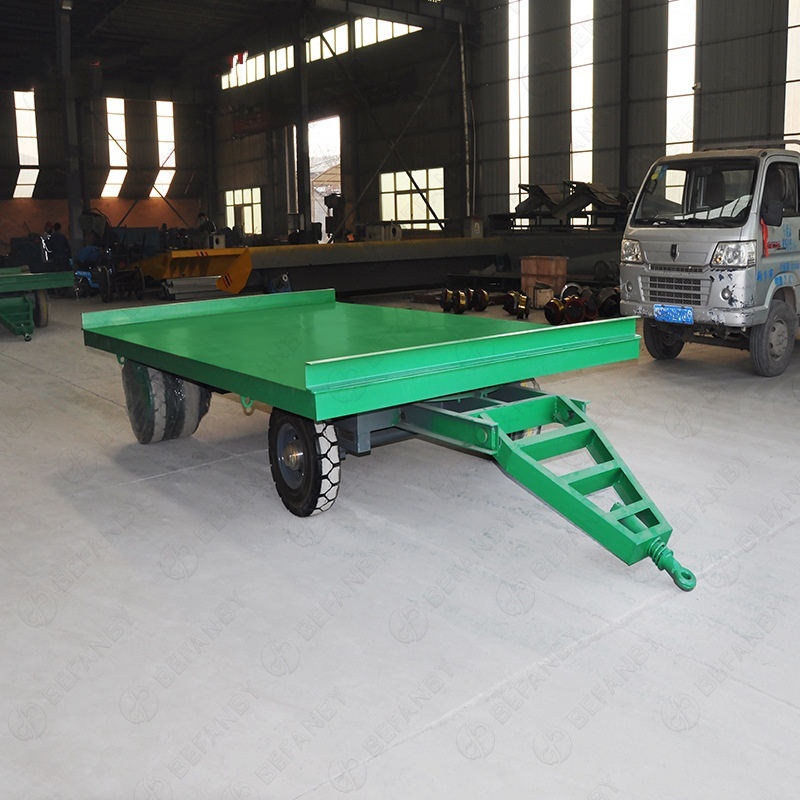
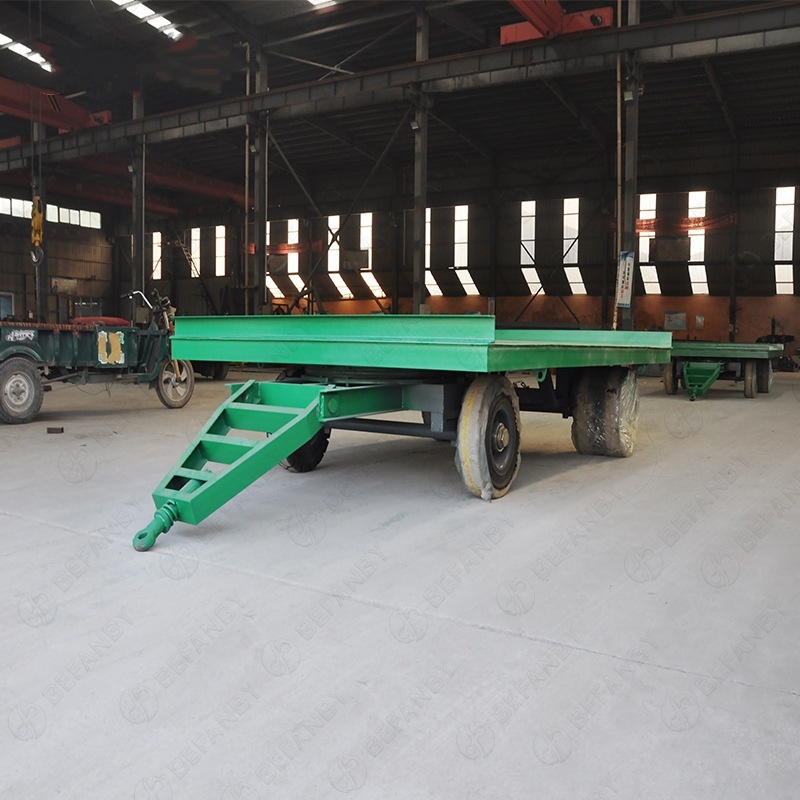
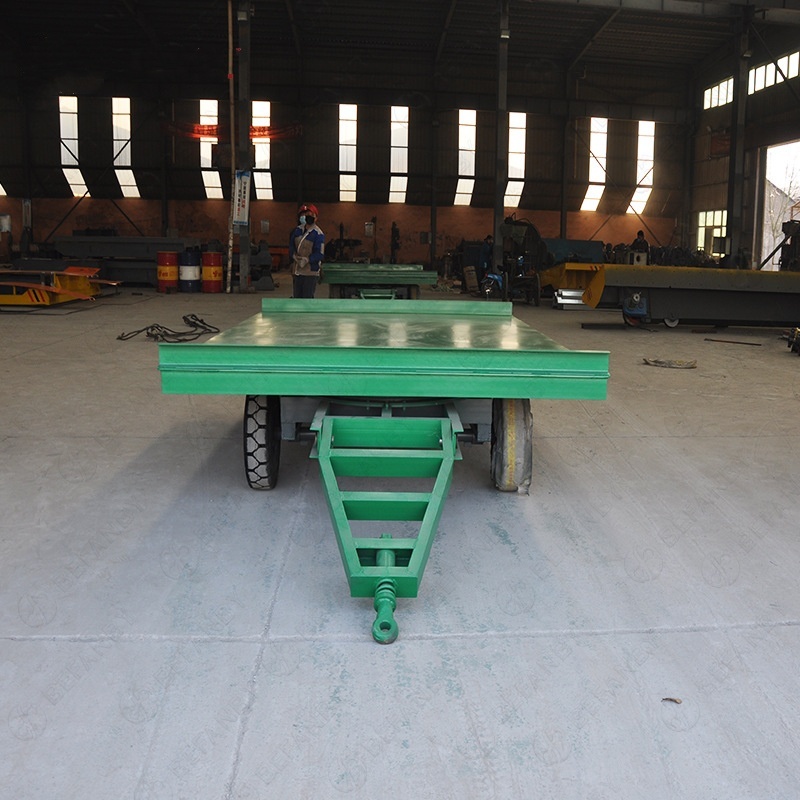
One-Way Tow Solid Tire Barrier Material Forklift Head Transporter
Contact Now
Description
Product Title: Heavy-Duty Waste Transfer Truck with Solid Tire Barrier and Tow Tractor System
Overview
Efficient waste management requires robust equipment capable of handling heavy loads while maintaining operational safety and stability. The Waste Transfer Truck Solid Tire Barrier Tow Tractor Unidirectional Towed Solid Wheel Barrier Flatbed Trailer represents a significant advancement in industrial logistics and sanitation infrastructure. This specialized vehicle is engineered to streamline the collection, transport, and transfer of solid waste materials across large facilities such as recycling centers, municipal dumps, and manufacturing plants. By integrating a high-performance tow tractor with a unidirectional towing mechanism, this system ensures precise control and maneuverability even in confined spaces. The inclusion of a solid tire barrier and flatbed trailer design enhances durability, reducing maintenance costs and downtime associated with traditional pneumatic tires that are prone to punctures and wear. This comprehensive solution is designed for operators who demand reliability, efficiency, and safety in their daily operations.Key Features
The core strength of this machinery lies in its integrated components. The One Way Towed Solid Wheel Barrier Forklift Head Waste Transfer Truck Single Direction Tow Tractor configuration allows for seamless coupling between the power unit and the cargo platform. This unidirectional design simplifies operation, reducing the learning curve for new drivers and minimizing the risk of accidental reversals in busy work zones. The solid tire barrier provides an additional layer of protection, shielding critical mechanical parts from debris and impact damage common in waste handling environments. Furthermore, the Solid Tire Barrier Material Forklift Tow Tractor Solid Tire Barrier Forklift Head Tow Platform utilizes advanced composite materials for the barrier, offering superior resistance to corrosion and chemical exposure from various types of waste. The flatbed trailer component is constructed from high-tensile steel, ensuring it can withstand the weight of dense refuse without deformation. These features collectively contribute to a product that is not only efficient but also built to last under harsh conditions.Detailed Description
At the heart of this system is the Single Direction Tow Tractor, which serves as the primary power source. Unlike conventional tractors that require complex steering mechanisms for multi-directional movement, this unit is optimized for forward motion along designated paths. This specialization increases speed and reduces energy consumption during long hauls within a facility. The connection point between the tractor and the trailer is reinforced to handle sudden stops and starts, preventing stress fractures in the hitch assembly. The Solid Wheel Barrier acts as both a protective shield and a structural support element. It prevents loose debris from entering the drivetrain and protects the operator from flying objects during loading operations. The material used for these barriers is selected for its high abrasion resistance and low friction coefficient, ensuring smooth operation over time. The Flatbed Trailer section is designed with a low center of gravity to enhance stability when carrying unevenly distributed loads. This is crucial when dealing with mixed waste streams that may have varying densities. The bed surface is treated to prevent adhesion of sticky substances, making cleaning easier and more hygienic. Integration with standard forklift heads allows for quick attachment and detachment of different trailer configurations, providing versatility for various tasks. Whether moving compacted bales or loose bulk material, the system adapts to the specific needs of the operation. The overall design emphasizes modularity, allowing for easy replacement of worn components such as tires, barriers, and hitch pins without requiring specialized tools or extensive downtime. This approach significantly lowers the total cost of ownership over the lifespan of the equipment.Usage Scenarios
This versatile machine is ideal for a wide range of industrial applications. In municipal waste management facilities, it efficiently transports collected garbage from drop-off points to processing lines or compaction units. Recycling centers benefit from its ability to move sorted materials quickly, keeping the workflow uninterrupted. Manufacturing plants use the system to remove scrap metal, plastic offcuts, and other production waste, maintaining a clean and safe working environment. Landfills utilize the truck for transferring compacted waste blocks to storage areas or for final disposal. The unidirectional nature of the tow tractor makes it particularly suitable for linear conveyor systems or fixed-route operations where reversing is unnecessary or hazardous. Additionally, ports and logistics hubs employ this equipment to manage packaging waste and palletized refuse, ensuring that dock areas remain clear and operational. Its robust construction allows it to operate on rough terrain, including gravel paths and concrete surfaces commonly found in these environments.User Reviews
Operators who have implemented this system report significant improvements in productivity and safety. Many users highlight the ease of use provided by the single-direction towing mechanism, noting that it reduces operator fatigue and error rates. The solid tire barrier has been praised for its durability, with several facilities reporting fewer incidents of damage compared to previous setups using open-wheel designs. Maintenance teams appreciate the modular design, which allows for quick repairs and part replacements. Overall satisfaction scores are high, with users recommending the product for any facility looking to upgrade their waste handling capabilities. The combination of efficiency, safety, and durability has made it a preferred choice among industry professionals seeking reliable solutions for their waste transfer needs.Frequently Asked Questions
What is the maximum load capacity of the flatbed trailer? The trailer is designed to handle substantial weights, typically ranging from 5,000 to 10,000 kilograms depending on the specific model and configuration. Always consult the technical specifications for precise limits based on your operational requirements. How does the unidirectional towing system improve safety? By restricting movement to a single direction, the system eliminates the risks associated with blind-spot reversing. Operators can focus entirely on forward navigation, reducing the likelihood of collisions with pedestrians or obstacles in the path. Are the solid tires replaceable? Yes, the solid wheels are designed for easy removal and replacement. Specialized tools may be required for initial installation, but routine maintenance can be performed with standard equipment available at most industrial supply stores. Can this system be used outdoors? Absolutely. The Waste Transfer Truck is built to withstand outdoor conditions, including rain, dust, and temperature fluctuations. The corrosion-resistant materials ensure longevity even in harsh environmental settings. Is training required to operate the tow tractor? Basic training is recommended to familiarize operators with the controls and safety protocols. However, the simplified unidirectional design means that the learning curve is shorter compared to traditional multi-directional tractors. Most operators become proficient within a few hours of supervised practice. Why choose a solid tire barrier over a flexible one? Solid tire barriers offer greater protection against impact and puncture risks. They provide a rigid shield that prevents debris from damaging sensitive components, whereas flexible barriers may degrade faster under heavy abuse. The solidity also adds structural integrity to the overall assembly. How often should the hitch mechanism be inspected? Regular inspections are crucial for safety. It is advisable to check the hitch for signs of wear, cracks, or loose bolts before each shift. Daily visual checks and monthly detailed inspections by qualified personnel will help prevent unexpected failures. Does the system comply with international safety standards? Yes, the design adheres to major international safety regulations for industrial vehicles. Compliance ensures that the equipment meets global benchmarks for operator protection, emissions (if applicable), and mechanical integrity. Can I customize the flatbed size? Customization options are available for specific operational needs. Contact the manufacturer to discuss dimensions, materials, and additional features such as side rails or hydraulic lifting mechanisms. What is the expected lifespan of the solid tire barrier? With proper maintenance, the solid tire barrier can last for several years. Factors such as frequency of use, type of waste handled, and operating conditions influence its longevity. Regular cleaning and inspection can extend its service life significantly.


You may also like


Contact Now
Please Send Message
${currentPro.title}