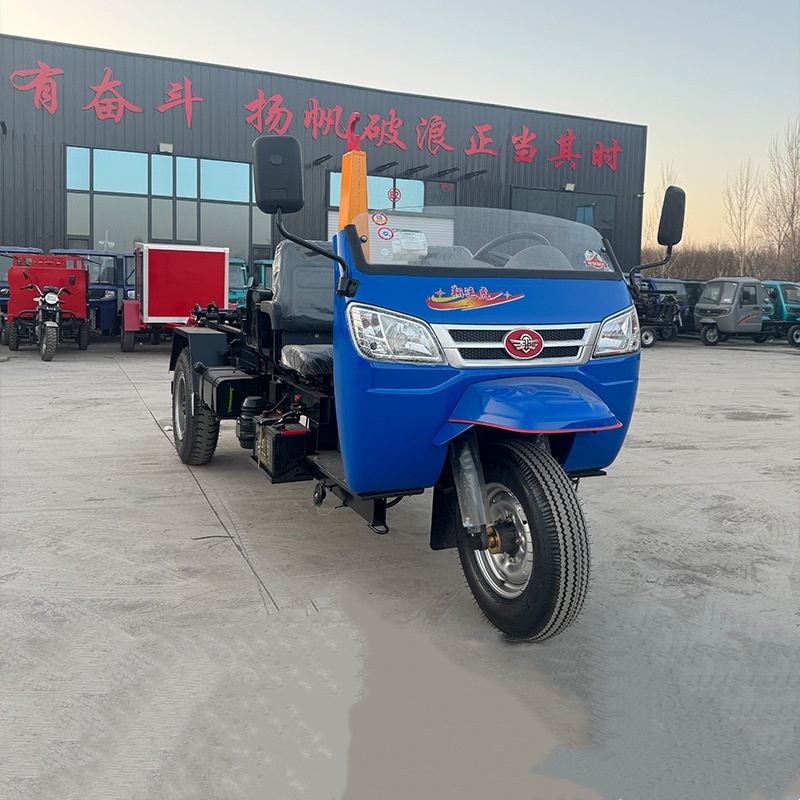
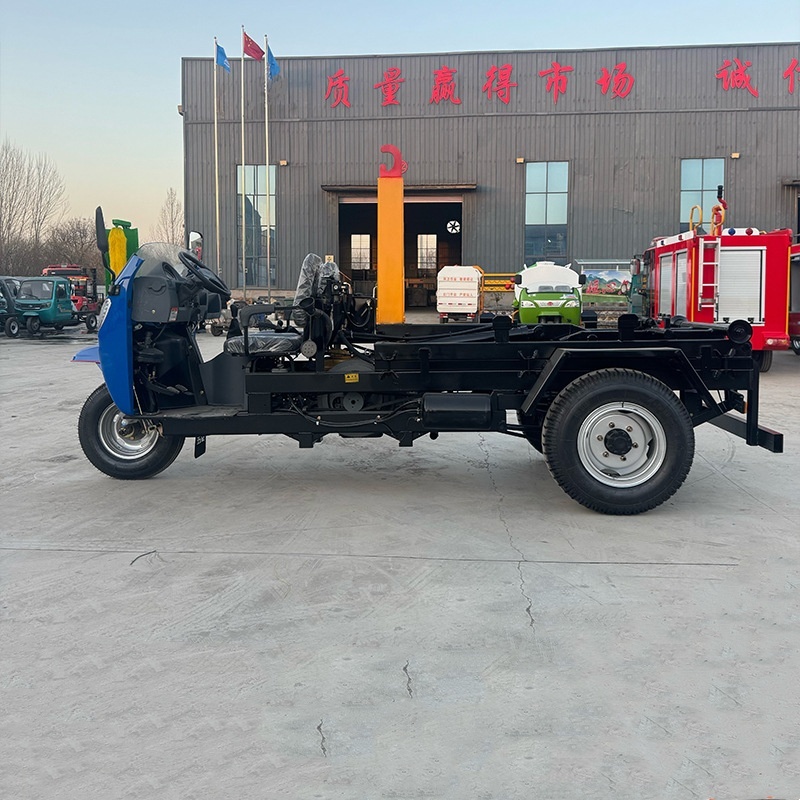
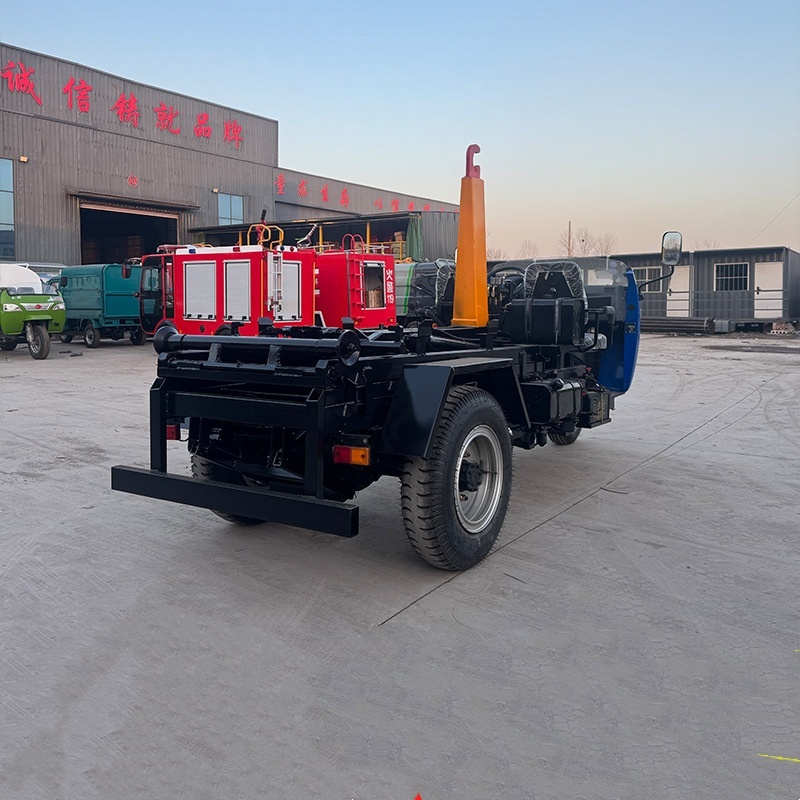
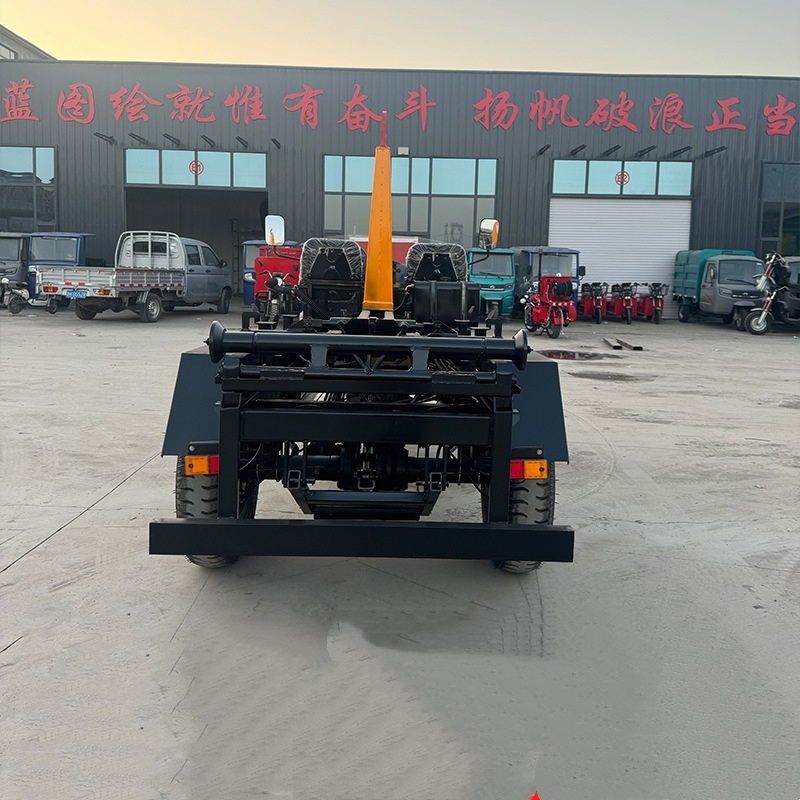
Portable Three-Wheel Diesel Hook Lift Waste Transfer Unit
Description
Advanced Waste Transfer Truck Solutions for Modern Urban Sanitation
In the rapidly evolving landscape of municipal waste management and industrial logistics, efficiency and reliability are paramount. The modern Waste Transfer Truck has emerged as a critical asset for cities, construction sites, and large-scale facilities seeking to streamline their refuse collection processes. This comprehensive guide explores the capabilities of advanced sanitation vehicles, including the Hook Arm Sanitation Vehicle, Compact Refuse Collection Unit, and Mini Dump Truck configurations designed specifically for waste handling. Whether you are managing urban debris or industrial byproducts, understanding the nuances of these heavy-duty machines is essential for optimizing operational costs and maintaining environmental standards.
Overview of Heavy Duty Waste Hauling Equipment
The global demand for effective solid waste management solutions has driven innovation in vehicle design. A high-performance Waste Transfer Truck is not merely a transport vehicle; it is a mobile processing hub. These units bridge the gap between point-of-collection and final disposal sites, offering a versatile platform that can adapt to various container types and terrain conditions. From the robust Three Wheel Garbage Truck Self Loading Trash Compactor to the sophisticated Mobile Solid Waste Handler, each model serves a specific niche in the supply chain. The integration of automatic bin lifting devices and hook lift systems ensures that operators can handle diverse loads with minimal manual intervention, significantly reducing workplace injuries and increasing throughput.
Key Features and Technical Specifications
When evaluating a Waste Transfer Truck, several core features distinguish superior models from standard alternatives. First and foremost is the powertrain. Most efficient units utilize a Small Diesel Waste Hauler engine configuration, providing the torque necessary for steep inclines and heavy loads while maintaining fuel economy. These engines are often equipped with emission control technologies to meet stringent international environmental regulations.
Secondly, the lifting mechanism is critical. The Heavy Duty Hook Lift System allows for rapid swapping of containers, enabling a single chassis to service multiple locations without returning to the depot. This system is complemented by an Automatic Bin Lifting Device on compact models, which automates the emptying process into the hopper. For smaller operations, the Compact Refuse Collection Unit offers maneuverability in narrow streets where larger trucks cannot operate, ensuring no area is left uncollected.
Furthermore, durability is ensured through reinforced chassis structures and corrosion-resistant coatings. The body of the Waste Transfer Truck is typically constructed from high-tensile steel to withstand the abrasive nature of mixed waste materials. Hydraulic systems are engineered for smooth operation, featuring overload protection and leak-proof seals to maintain performance over thousands of cycles.
Detailed Analysis of Product Variants
The market offers specialized variants tailored to different operational needs. The Hook Arm Sanitation Vehicle is ideal for large municipalities requiring high-volume transfer capabilities. Its hydraulic arm engages with standardized containers, lifting them securely onto the chassis for transport. This method minimizes spillage and odor release during transit, contributing to cleaner urban environments.
For more confined spaces, the Mini Dump Truck for Waste provides a compact yet powerful solution. Despite its smaller footprint, this unit retains the capacity to handle significant volumes of refuse, making it perfect for residential neighborhoods or private compounds. The Three Wheel Garbage Truck Self Loading Trash Compactor represents another innovative approach, combining collection and compaction in one step. By compressing waste within the hopper, it maximizes payload per trip, reducing the frequency of trips to the landfill and lowering overall carbon emissions.
Additionally, the Efficient Garbage Transporter model focuses on ease of use and maintenance. User-friendly interfaces allow operators to monitor hydraulic pressure, fuel levels, and engine diagnostics in real-time. This proactive monitoring reduces downtime and extends the lifespan of the vehicle, providing a better return on investment for fleet managers.
Operational Efficiency and Environmental Impact
Adopting a modern Waste Transfer Truck yields significant environmental benefits. By optimizing load factors and reducing idle time, these vehicles contribute to lower greenhouse gas emissions. The self-loading mechanisms reduce the need for manual labor, thereby improving worker safety and adhering to occupational health standards. Moreover, the ability to quickly transfer waste to central hubs facilitates better sorting and recycling processes at the destination, supporting circular economy initiatives.
Application Scenarios and Use Cases
The versatility of the Waste Transfer Truck makes it suitable for a wide array of applications. In urban settings, Compact Refuse Collection Units navigate tight streets to collect household waste from curbsides. They are equally effective in commercial districts, where they manage bulkier waste from retail stores and office buildings. Construction sites benefit from the durability of the Mini Dump Truck for Waste, which can handle demolition debris, concrete fragments, and soil alongside regular trash.
Industrial parks and manufacturing facilities often employ the Heavy Duty Hook Lift System to manage hazardous or non-hazardous waste streams separately. The Mobile Solid Waste Handler is particularly useful in event management, where temporary waste stations are set up for festivals or concerts, requiring quick setup and removal. Agricultural areas also find value in these vehicles for managing organic waste and packaging materials, ensuring that rural communities maintain high hygiene standards.
User Feedback and Industry Recognition
Fleet managers and sanitation directors have consistently praised the reliability of these advanced waste hauling solutions. Users highlight the ease of maintenance and the robustness of the hydraulic systems as key advantages. Many reports indicate a reduction in operational costs due to increased fuel efficiency and fewer mechanical breakdowns. The intuitive design of the Automatic Bin Lifting Device has been noted for speeding up collection routes, allowing drivers to complete more stops per shift safely.
Environmental officers appreciate the reduced leakage and odor control features, which enhance community relations and compliance with local regulations. The adaptability of the Hook Arm Sanitation Vehicle allows cities to scale their operations up or down depending on seasonal demands, providing flexibility that fixed infrastructure cannot offer.
Frequently Asked Questions
What is the primary advantage of a Hook Arm Sanitation Vehicle over traditional rear-loaders?
The primary advantage lies in efficiency and versatility. A Waste Transfer Truck with a hook arm system can swap containers quickly, allowing one truck to service multiple drop-off points without waiting for individual bins to be emptied manually. This reduces labor costs and increases the number of collections per day.
Can a Compact Refuse Collection Unit handle heavy industrial waste?
While designed primarily for urban and light commercial waste, certain models of the Compact Refuse Collection Unit can handle moderate industrial debris. However, for heavy construction waste, a Mini Dump Truck for Waste or a Heavy Duty Hook Lift System would be more appropriate due to their higher load capacities and reinforced structures.
How does the Self Loading Trash Compactor improve fuel efficiency?
By compacting waste within the hopper, the Three Wheel Garbage Truck Self Loading Trash Compactor increases the density of the load. This means more waste can be transported per trip, reducing the total distance traveled and the number of trips required to clear a site. Consequently, fuel consumption per ton of waste collected is significantly lowered.
Are these vehicles compliant with international emission standards?
Yes, most modern Waste Transfer Truck models are equipped with engines that meet Euro V or VI emission standards, depending on the region. Manufacturers continuously update their designs to ensure compliance with global environmental regulations, helping clients avoid penalties and contribute to sustainability goals.
What maintenance is required for the Automatic Bin Lifting Device?
Regular inspection of hydraulic hoses, cylinders, and electrical connections is recommended. Operators should check for leaks and ensure that the lifting arms move smoothly without obstruction. Lubrication of pivot points and periodic calibration of sensors will keep the device functioning optimally. Following the manufacturer’s maintenance schedule ensures longevity and safe operation.
Conclusion
Selecting the right Waste Transfer Truck is a strategic decision that impacts operational efficiency, environmental compliance, and cost-effectiveness. Whether opting for the versatility of a Hook Arm Sanitation Vehicle, the compactness of a Mini Dump Truck for Waste, or the automation of a Self Loading Trash Compactor, businesses and municipalities can achieve superior waste management outcomes. Investing in high-quality, durable equipment ensures that waste handling remains a streamlined, safe, and sustainable process, meeting the demands of modern urban living and industrial activity.


You may also like


${currentPro.title}