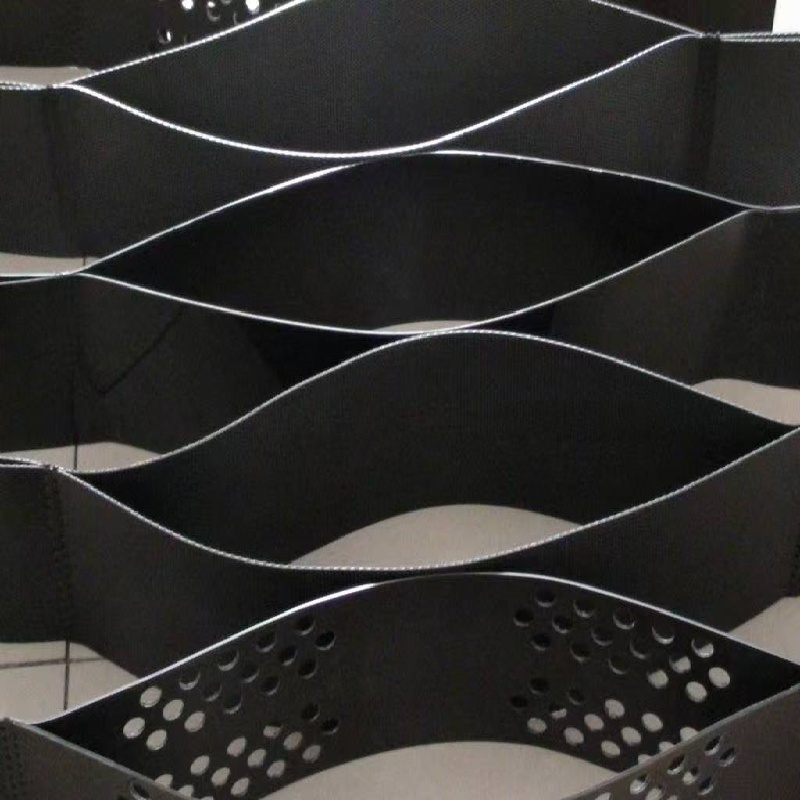
Geocell Systems for Enhanced Structural Support
Description
Geocell for Road Construction, Geocell Soil Stabilization, and Geocell Erosion Control are innovative solutions designed to enhance the durability and performance of infrastructure projects. These geosynthetic products are engineered to provide structural support, improve load distribution, and prevent soil movement in various applications. Whether it's for road development, slope reinforcement, or land reclamation, geocells offer a sustainable and cost-effective alternative to traditional construction methods. The overview of these geocell systems highlights their versatility and effectiveness in different environments. Geocell for road construction is particularly useful in creating stable base layers that can withstand heavy traffic and extreme weather conditions. By using a three-dimensional cellular structure, these materials help to distribute loads more evenly, reducing the risk of rutting and cracking. This makes them ideal for both new road construction and the rehabilitation of existing roads. Key features of geocell technology include high tensile strength, resistance to environmental degradation, and ease of installation. The cellular design allows for efficient compaction of fill materials, which enhances the overall stability of the structure. Additionally, these products are resistant to UV radiation, moisture, and chemical exposure, ensuring long-term performance in diverse climates. In terms of detailed description, geocell soil stabilization involves the use of interconnected cells filled with granular material to create a rigid, load-bearing platform. This method is especially beneficial in areas with weak subgrades or unstable soils. By reinforcing the ground, geocells help to prevent settlement and reduce the need for extensive excavation or replacement of existing materials. This not only saves time and labor but also minimizes environmental disruption. Geocell erosion control is another critical application of this technology. When used along slopes, embankments, and riverbanks, geocells act as a protective layer that prevents soil from being washed away by water or wind. The cells trap sediment and promote vegetation growth, which further stabilizes the area. This dual function of erosion prevention and ecological enhancement makes geocells an excellent choice for environmental restoration projects. The use scenarios for geocell products extend beyond just roads and slopes. They are commonly employed in the construction of retaining walls, parking lots, and drainage channels. In urban settings, geocells can be used to create permeable surfaces that allow water to infiltrate the ground, reducing runoff and improving water management. For coastal regions, they serve as a barrier against wave action and storm surges, protecting infrastructure and natural habitats. User feedback has consistently praised the performance and reliability of geocell systems. Many professionals in the construction industry have reported significant improvements in project efficiency and longevity when using these products. Contractors appreciate the ease of handling and the reduced maintenance requirements, which contribute to long-term cost savings. Homeowners and land developers also value the aesthetic benefits, as geocells can be integrated into landscaping designs without compromising functionality. Frequently asked questions about geocell products often revolve around installation procedures, material compatibility, and expected lifespan. Most manufacturers provide detailed guidelines to ensure proper deployment, emphasizing the importance of site preparation and correct filling techniques. It is also common to inquire about the suitability of geocells for different types of soil and climate conditions. While the products are generally compatible with a wide range of materials, it is recommended to consult with experts to determine the best approach for specific projects. Another common concern is the environmental impact of geocell systems. Unlike traditional methods that may involve large amounts of concrete or asphalt, geocells utilize locally available materials, reducing the carbon footprint associated with transportation and production. Their ability to support plant growth also contributes to biodiversity and ecosystem health, making them a sustainable choice for modern infrastructure. In conclusion, geocell for road construction, geocell soil stabilization, and geocell erosion control represent advanced engineering solutions that address a wide range of challenges in civil and environmental projects. Their combination of strength, flexibility, and eco-friendliness makes them a valuable asset for engineers, contractors, and planners worldwide. As the demand for sustainable and durable infrastructure continues to grow, the role of geocell technology is expected to expand, offering innovative ways to build better, safer, and more resilient environments.


You may also like


${currentPro.title}