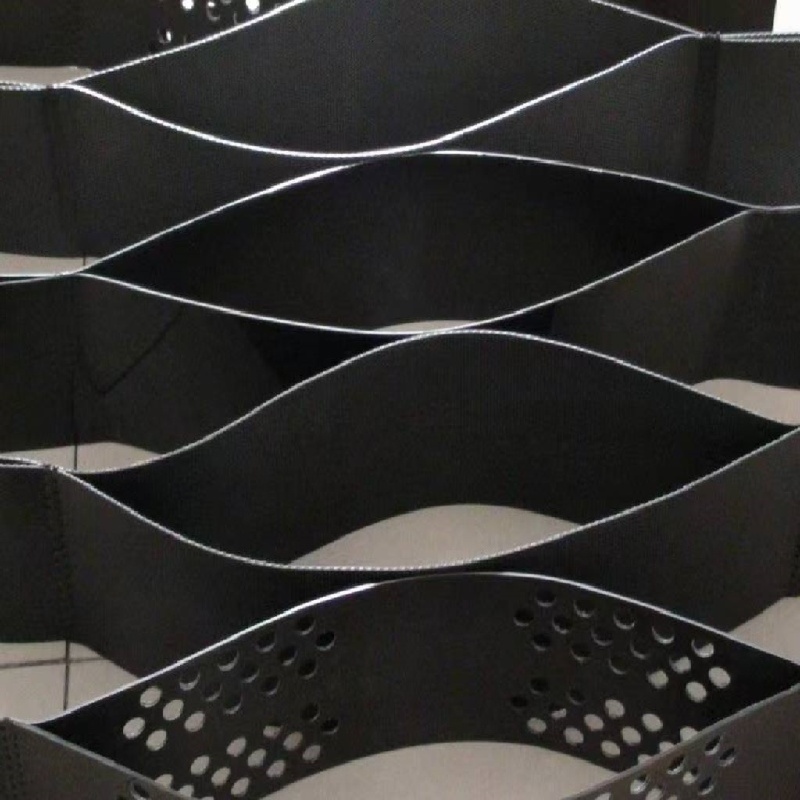
geocell for road construction
Description
Geocell technology for roads represents a revolutionary approach to modern road construction and soil stabilization. This innovative solution utilizes a three-dimensional cellular structure made from high-density polyethylene (HDPE) or similar durable materials, designed to enhance the structural integrity of roadways, pathways, and other infrastructure projects. By encapsulating and reinforcing soil, gravel, or aggregate, geocell systems provide superior load distribution, improved drainage, and long-term stability, making them an essential component in contemporary civil engineering practices.
The key characteristics of road construction geocell systems include their ability to reduce the need for extensive excavation, minimize material usage, and lower overall project costs. These systems are lightweight yet robust, allowing for easy installation even in challenging terrain. Additionally, they promote environmental sustainability by reducing the carbon footprint associated with traditional construction methods. The modular design of geocell technology ensures adaptability across various applications, from temporary access roads to permanent highway structures.
Geocell technology for roads functions by creating a stable base that prevents soil movement and erosion. When filled with granular material, the cells interlock and distribute weight evenly, preventing rutting and deformation under heavy traffic. This makes them ideal for use in areas prone to settlement or where the subgrade is weak. The technology also enhances the performance of road surfaces by improving compaction and reducing the likelihood of potholes and cracks. In addition, the permeable nature of the system allows for efficient water drainage, which helps prevent hydroplaning and extends the lifespan of the road surface.
Soil stabilization geocell systems are particularly effective in regions with unstable or soft ground conditions. They can be used to reinforce embankments, stabilize slopes, and prevent landslides. By providing a strong, flexible framework, these systems help maintain the integrity of the surrounding earth while supporting the weight of structures above. Whether applied in urban development, transportation corridors, or rural infrastructure, geocell technology offers a reliable and cost-effective alternative to conventional stabilization methods.
One of the primary uses of road construction geocell is in the creation of low-impact access roads, such as those used in mining operations, agricultural fields, or remote construction sites. These roads require durability without the need for extensive maintenance, and geocell technology provides an efficient solution. Similarly, in coastal or flood-prone areas, geocell systems can be integrated into drainage solutions to manage water flow and protect against erosion. Their versatility makes them suitable for both new construction and the rehabilitation of existing infrastructure.
Users who have implemented geocell technology for roads report significant improvements in road longevity and performance. Many note that the system reduces the frequency of repairs and maintenance, leading to long-term cost savings. Engineers and contractors appreciate the ease of installation, which can be completed quickly with minimal disruption to the surrounding environment. Additionally, the environmental benefits of using geocell systems have been widely recognized, especially in projects focused on sustainable development and eco-friendly construction practices.
Common questions about geocell technology for roads often revolve around its durability, installation process, and compatibility with different soil types. Most manufacturers provide detailed guidelines on how to properly install and fill the cells to ensure optimal performance. It is also important to consider the specific requirements of each project, as factors such as traffic volume, climate, and ground composition can influence the effectiveness of the system. Proper planning and consultation with experienced professionals can help maximize the benefits of geocell technology in road construction and soil stabilization.


You may also like


${currentPro.title}