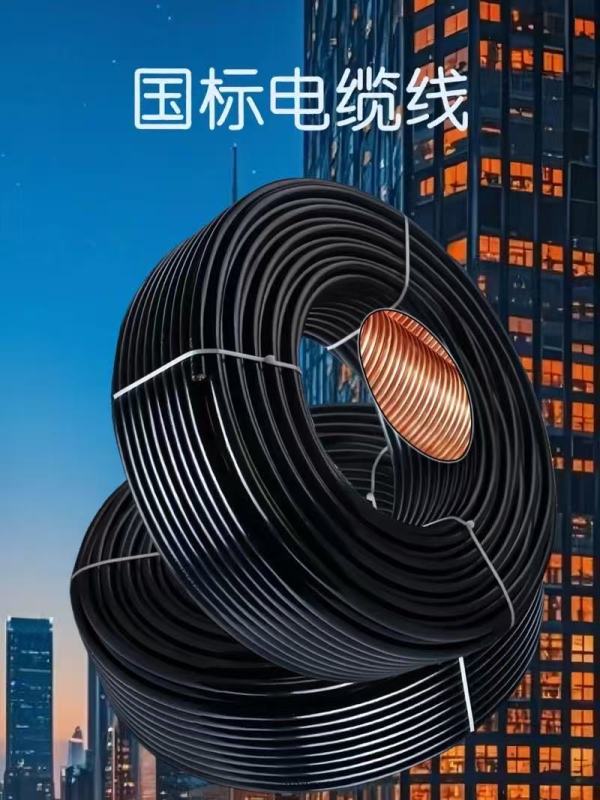
the National standard cable
Description
Standard cable types are essential components in modern electrical and data transmission systems, offering reliable connectivity across a wide range of applications. Whether you're working on industrial projects, residential installations, or commercial infrastructure, understanding cable specifications and national cable standards is crucial for ensuring safety, performance, and compliance. This product description provides an in-depth overview of the most common cable types, their technical details, and how they align with global industry standards. The comprehensive selection of standard cables available includes various categories such as power cables, communication cables, coaxial cables, fiber optic cables, and more. Each type is designed to meet specific requirements in terms of voltage ratings, insulation materials, conductor configurations, and environmental resistance. These cables are manufactured to adhere to international regulations, ensuring that they can be used safely and effectively in different regions around the world. One of the key features of these standard cables is their adherence to well-established cable specifications. These specifications outline the physical dimensions, electrical properties, and mechanical strength required for each type of cable. For example, power cables typically have higher current-carrying capacities and are built with durable insulation to withstand harsh conditions. Communication cables, on the other hand, are engineered for high-speed data transfer and minimal signal loss. National cable standards play a vital role in determining the quality and suitability of cables for specific environments. Different countries may have their own sets of regulations, but many follow similar principles to ensure consistency and reliability. These standards cover aspects such as fire resistance, temperature limits, and electromagnetic interference (EMI) protection. By choosing cables that comply with recognized national standards, users can be confident in their performance and longevity. In addition to technical specifications, the design of these cables also takes into account factors like flexibility, ease of installation, and long-term durability. Many cables are equipped with protective sheaths that guard against moisture, abrasion, and chemical exposure. This makes them ideal for use in both indoor and outdoor settings, from residential wiring to large-scale industrial operations. The detailed description of each cable type includes information on its intended usage, material composition, and compatibility with different connectors and systems. For instance, coaxial cables are widely used in television and internet connections due to their ability to carry high-frequency signals with minimal interference. Fiber optic cables, meanwhile, offer ultra-fast data transmission over long distances, making them a preferred choice for telecommunications and high-performance computing. These standard cables are utilized in a variety of settings, ranging from home electronics and office networks to complex industrial and automotive systems. In residential areas, they provide the backbone for lighting, heating, and entertainment systems. In commercial buildings, they support networking, security, and automation technologies. Industrial applications often require specialized cables that can endure extreme temperatures, vibrations, and mechanical stress. User feedback highlights the reliability and versatility of these cables. Many professionals praise their consistent performance, ease of handling, and compliance with industry norms. Users also appreciate the availability of different sizes and configurations, allowing them to select the most appropriate option for their specific needs. Some mention that the cables maintain their integrity even under challenging conditions, which is a testament to their high-quality construction. Common questions about these cables often revolve around their compatibility with existing systems, installation requirements, and maintenance practices. Most cables are designed to be user-friendly, with clear labeling and straightforward connection methods. However, it's always recommended to consult technical manuals or expert guidance when integrating them into new setups. Another frequently asked question relates to the lifespan of these cables, with many users noting that proper installation and regular inspections can significantly extend their service life. Overall, the range of standard cable types offered ensures that there is a suitable option for nearly every application. Whether you need cables for power distribution, data communication, or specialized equipment, these products deliver dependable performance backed by rigorous testing and compliance with international standards. Their versatility, durability, and adherence to technical specifications make them a trusted choice for professionals and consumers alike.


You may also like


${currentPro.title}