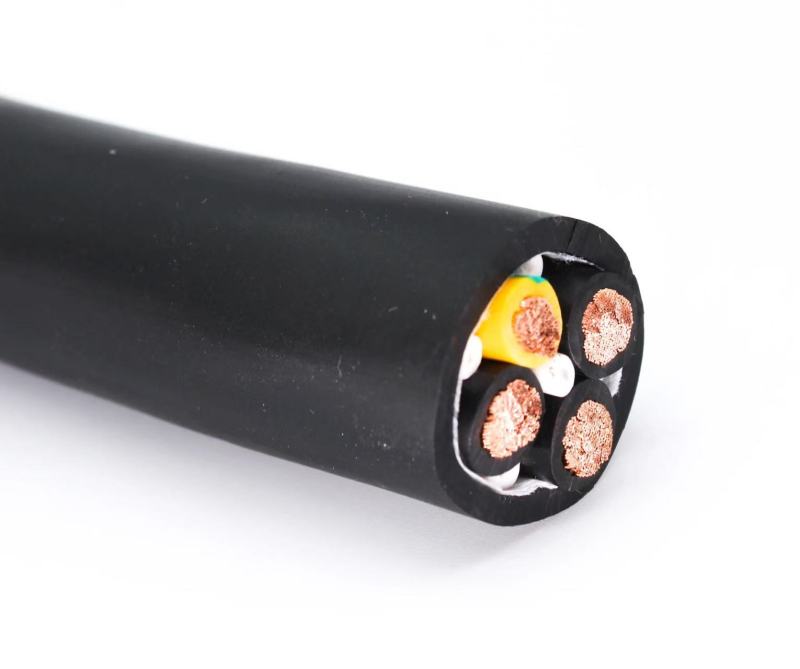
the Cold resistant cable
Description
Cold Resistant Cables: Reliable Performance in Harsh Environments Cable cold resistant products are designed to deliver exceptional performance in extreme low-temperature conditions. Whether used in industrial, commercial, or outdoor applications, these cables ensure consistent and safe operation even when temperatures drop significantly. The term "resistant cold cable" refers to a type of cable specifically engineered to maintain its structural integrity and electrical conductivity under freezing conditions. These cables are essential for environments where traditional wiring systems may fail due to the effects of cold. The key feature of cold resistant cables is their ability to retain flexibility and durability at sub-zero temperatures. This makes them ideal for use in regions with severe winters or in applications that require exposure to cold elements. Unlike standard cables, which can become brittle and prone to cracking, cold resistant cables are constructed using specialized materials that remain resilient in the face of extreme cold. This ensures long-term reliability and reduces the risk of system failure. One of the most important aspects of cold resistant cables is their insulation properties. These cables typically use high-quality insulation materials that do not degrade when exposed to cold. This helps prevent short circuits, signal loss, and other electrical issues that could arise in low-temperature environments. Additionally, the outer jacket of these cables is designed to resist cracking, abrasion, and UV damage, making them suitable for both indoor and outdoor use. Another significant characteristic of cold resistant cables is their resistance to moisture and condensation. In cold climates, humidity and condensation can lead to corrosion and electrical faults. Cold resistant cables are often treated with moisture-resistant coatings or made from materials that repel water, ensuring optimal performance even in damp or icy conditions. This makes them particularly useful in refrigeration units, cold storage facilities, and outdoor installations. When it comes to technical specifications, cold resistant cables are available in various types, including power cables, data cables, and control cables. Each type is tailored to meet specific performance requirements. For example, power cables are designed to handle high current loads while maintaining efficiency in cold conditions, while data cables are optimized for signal transmission without interference. Control cables, on the other hand, are used in automation systems and must remain functional even when temperatures fluctuate. In terms of installation, cold resistant cables are easy to work with and can be routed through tight spaces or installed in challenging environments. Their flexible design allows for easier handling during setup, reducing the time and effort required for installation. Furthermore, these cables are compatible with a wide range of connectors and terminations, making them versatile for different applications. Cold resistant cables find extensive use in a variety of industries. They are commonly employed in construction sites, where equipment must operate in harsh weather conditions. In the energy sector, they are used for power distribution in remote areas with extreme climates. In the automotive industry, they are essential for vehicle wiring systems that must function reliably in cold environments. Additionally, they are widely used in scientific research facilities, where precise measurements and stable electrical connections are critical. The importance of cold resistant cables cannot be overstated in regions with prolonged cold seasons. These cables ensure that critical systems remain operational, preventing downtime and costly repairs. Whether it's a residential heating system, an industrial facility, or a transportation network, cold resistant cables play a vital role in maintaining functionality and safety. For users looking for reliable and durable solutions, cold resistant cables offer a dependable choice. Their advanced design and high-performance materials make them well-suited for a wide range of applications. When selecting cold resistant cables, it is important to consider factors such as temperature range, insulation type, and environmental conditions to ensure the best fit for the intended use. User feedback highlights the effectiveness of cold resistant cables in real-world scenarios. Many users report improved system performance and reduced maintenance needs after switching to these cables. Others note that the cables perform consistently even in the most extreme conditions, providing peace of mind and long-term value. Frequently asked questions about cold resistant cables include inquiries about their temperature tolerance, compatibility with existing systems, and expected lifespan. Most manufacturers provide detailed specifications to help users make informed decisions. It is also common to ask about installation guidelines and whether professional assistance is required for proper setup. Overall, cold resistant cables are a crucial component for any application that requires reliable performance in low-temperature environments. Their unique features and robust construction make them an excellent choice for a wide range of industries and settings. Whether used in infrastructure, technology, or daily operations, these cables ensure that systems remain functional and efficient, no matter how cold the conditions may be.


You may also like


${currentPro.title}