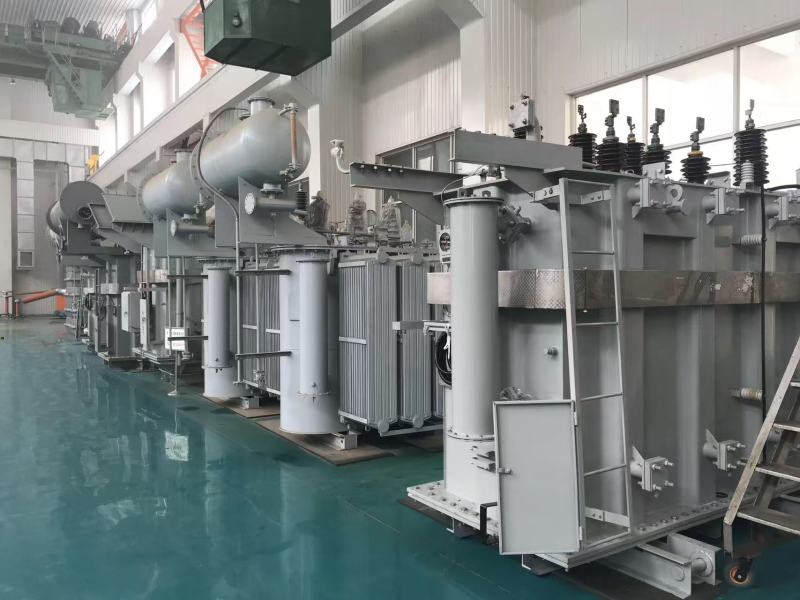
the Step up transformer
Description
Transformers play a crucial role in modern power systems, ensuring the efficient transfer and regulation of electrical energy. Among various types, the step up transformer for power supply is widely used to increase voltage levels from lower to higher values, making it an essential component in both industrial and commercial applications. These high voltage step up transformers are designed to handle significant electrical loads while maintaining stability and safety. An electrical step up transformer is not only a key element in power distribution but also a vital part of energy conversion processes that support modern infrastructure.
The primary function of a step up transformer for power supply is to elevate the voltage level, which allows for more efficient transmission over long distances with minimal energy loss. This process is fundamental in power generation, where electricity is produced at low voltages and then stepped up before being sent through transmission lines. High voltage step up transformers are often found in power stations, substations, and other critical points within the electrical grid. Their ability to manage and regulate voltage ensures that electrical devices and systems operate safely and efficiently.
Key characteristics of these transformers include their robust construction, high efficiency, and ability to withstand extreme operating conditions. They are typically made with high-quality materials such as copper windings and laminated steel cores to minimize energy losses and improve performance. Additionally, these transformers are equipped with insulation systems that protect against electrical surges and overheating, ensuring long-term reliability. The design of an electrical step up transformer allows for easy integration into existing power systems, making them a versatile solution for a wide range of applications.
When it comes to detailed descriptions, a step up transformer for power supply operates on the principle of electromagnetic induction. It consists of two coils: a primary coil connected to the input voltage source and a secondary coil that delivers the higher output voltage. The ratio between the number of turns in the primary and secondary coils determines the extent of voltage transformation. This makes it possible to adjust the output voltage according to specific requirements, whether for industrial machinery, residential power supplies, or specialized equipment.
These transformers are used in various settings, including manufacturing plants, data centers, renewable energy systems, and telecommunications facilities. In manufacturing, they help power large machines that require high voltage inputs. In data centers, they ensure a stable and reliable power supply for servers and networking equipment. Renewable energy sources such as solar and wind farms also rely on high voltage step up transformers to convert generated electricity into a form suitable for grid distribution. Furthermore, in telecommunications, these transformers provide the necessary voltage levels for signal transmission and network operations.
User feedback highlights the effectiveness and durability of these transformers in real-world applications. Many users praise their ability to maintain consistent voltage levels even under fluctuating load conditions. Others appreciate the ease of installation and maintenance, noting that these transformers require minimal upkeep once properly set up. Some users have reported improved energy efficiency and reduced operational costs after upgrading to a high voltage step up transformer. Overall, the positive experiences of users reinforce the importance of these devices in modern power systems.
Common questions about step up transformers for power supply often revolve around their compatibility with different voltage levels, their lifespan, and how to select the right model for specific needs. Users frequently ask about the differences between step up and step down transformers, as well as the importance of proper grounding and insulation. Another common concern is the potential for overheating, especially in high-load environments. Answers to these questions often emphasize the need for regular maintenance, adherence to manufacturer guidelines, and the use of appropriate cooling mechanisms to ensure optimal performance and longevity.


You may also like


${currentPro.title}