Integrated Recycling System for Demolition Solid Waste
Description
Comprehensive Solution for Construction Waste Management: Advanced Sorting and Recycling Machinery
The global construction industry generates millions of tons of debris annually, creating an urgent need for efficient waste management solutions. Our specialized line of Waste Disposal Equipment is engineered to transform chaotic demolition rubble into valuable secondary raw materials. This advanced system integrates heavy-duty shredding, precise screening, magnetic separation, and innovative air classification technologies. By deploying these robust machines, contractors and recycling facilities can significantly reduce landfill dependency, lower operational costs, and comply with stringent environmental regulations. The core objective of this machinery suite is to maximize resource recovery while minimizing the environmental footprint of construction and demolition activities.
Key Features of the Integrated System
The equipment lineup is designed around modularity and high-efficiency processing. Each component plays a critical role in the overall workflow. The primary shredder handles large volumes of concrete, brick, and mixed debris, reducing them to manageable sizes. Following size reduction, the screening unit separates materials by dimension, ensuring that only appropriately sized particles proceed to further processing stages. A powerful magnetic separator is integrated to extract ferrous metals, which are highly recyclable and add economic value to the output stream. Finally, the air separation crusher utilizes wind selection principles to isolate lightweight materials such as wood, plastic, and fabric from heavier aggregates. This multi-stage approach ensures a clean, high-quality end product suitable for reuse in new construction projects.
Detailed Technical Description
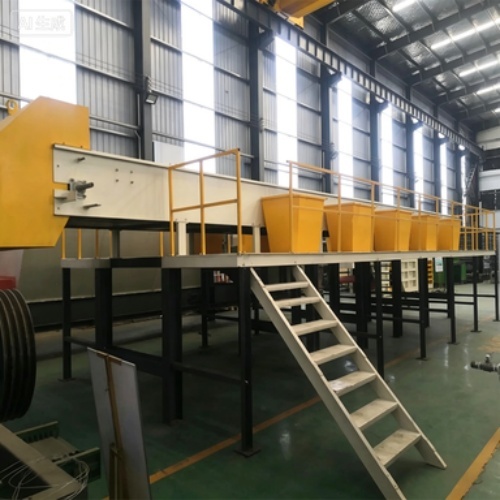
At the heart of our Waste Disposal Equipment for Construction Demolition Recycling Demolition Rubble Sorting and Recycling Machinery is a heavy-duty industrial shredder built to withstand extreme abrasion and impact. The rotor assembly features replaceable hammers or knives made from wear-resistant steel, allowing for extended service life even when processing tough materials like reinforced concrete. The machine’s design minimizes dust generation through enclosed chambers and integrated dust collection ports, enhancing workplace safety and environmental compliance.
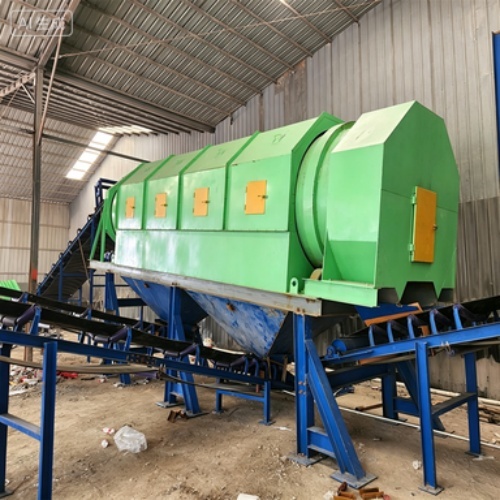
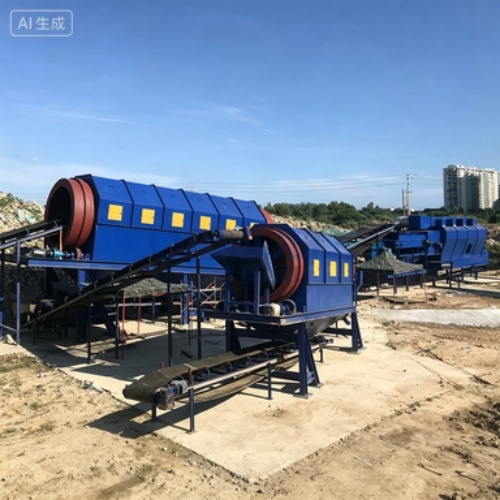
Adjacent to the shredding stage is the Building Debris Screening and Iron Removal System Construction Waste Shredder with Magnetic Separator. The vibrating screen deck offers multiple mesh options, enabling precise grading of recycled aggregate. As material moves across the screen, a suspended overhead magnet or drum magnet captures iron and steel fragments. This step is crucial not only for metal recovery but also for protecting downstream equipment from damage caused by unshreddable ferrous objects. The efficiency of this separation process directly impacts the purity of the final recycled aggregate product.
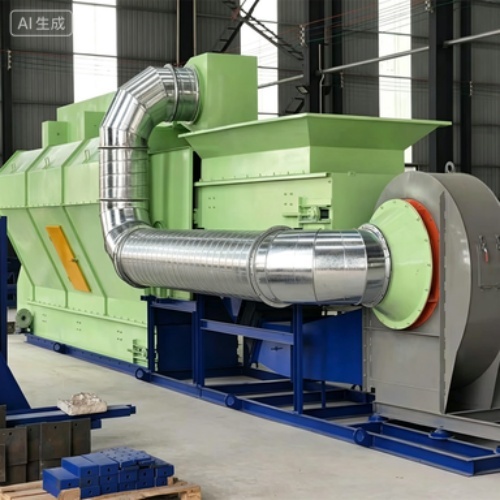
The final stage involves the Air Separation Crusher for Solid Waste Processing Wind Selection Device for Building Rubble Treatment. This technology exploits the difference in density and aerodynamic properties between light and heavy materials. By directing a controlled airflow through the processed material stream, lightweight contaminants are lifted and diverted away, while dense aggregates fall through for collection. This method is particularly effective for removing plastics, textiles, and organic matter that often contaminate construction waste streams. The result is a clean, uniform aggregate that meets industry standards for use in road bases, backfill, and new concrete production.
Application Scenarios
This comprehensive Waste Disposal Equipment solution is versatile and applicable across various sectors. Municipal governments utilize these systems for managing urban renewal projects and large-scale infrastructure demolitions. Private demolition contractors employ the machinery to handle residential and commercial building teardowns, turning waste into revenue streams rather than disposal costs. Recycling centers integrate these units to process mixed construction and demolition waste, producing high-grade recycled aggregates for the ready-mix concrete industry. Additionally, mining and quarrying operations may use similar sorting principles to manage overburden and tailings, demonstrating the adaptability of the technology beyond traditional construction contexts.
User Feedback and Performance Metrics
Operators who have implemented this integrated system report significant improvements in throughput and material purity. Users highlight the ease of maintenance and the durability of the components as key advantages. The ability to quickly switch between different screening configurations allows facilities to adapt to varying input material characteristics. Furthermore, the reduction in manual labor required for sorting has led to enhanced workplace safety and lower operational expenses. Customers appreciate the compact footprint of the combined units, which facilitates installation on temporary job sites where space is limited. The consistent quality of the recycled output has opened new markets for these facilities, as buyers trust the reliability of the processed materials.
Frequently Asked Questions
What types of materials can this machinery process?
The system is designed to handle a wide range of construction and demolition waste, including concrete, asphalt, bricks, tiles, wood, metal, and mixed debris. It is not intended for hazardous waste or wet sludge without prior treatment.
How does the air separation process improve material quality?
Air separation effectively removes lightweight contaminants such as plastics, paper, and fabric from the heavy aggregate stream. This results in a cleaner final product that is more desirable for reuse in construction applications, thereby increasing its market value.
Is regular maintenance required for the magnetic separator?
Yes, periodic inspection and cleaning of the magnetic drums or belts are recommended to ensure optimal performance. Accumulated metal debris should be removed regularly to prevent interference with the magnetic field and maintain extraction efficiency.
Can this equipment be used for mobile crushing operations?
While some components can be mounted on mobile chassis, the full integrated system is typically installed at stationary recycling plants for maximum efficiency. However, modular designs allow for flexible configuration based on specific site requirements and mobility needs.
What is the expected lifespan of the shredder hammers?
The lifespan depends on the hardness and abrasiveness of the processed materials. On average, with proper operation and routine replacement schedules, hammers can last several months to over a year, depending on usage intensity.
In conclusion, investing in advanced Waste Disposal Equipment is a strategic move for any entity involved in construction, demolition, or recycling. By adopting these sophisticated sorting and processing technologies, businesses can turn waste management challenges into profitable opportunities. The combination of mechanical shredding, magnetic separation, and air classification ensures a comprehensive approach to recycling, supporting sustainable development goals while delivering tangible economic benefits. Embrace the future of circular economy in construction with reliable, high-performance machinery designed for the demands of modern waste processing.


You may also like


${currentPro.title}