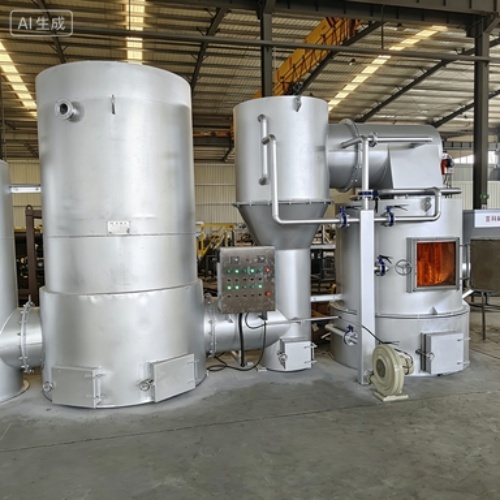
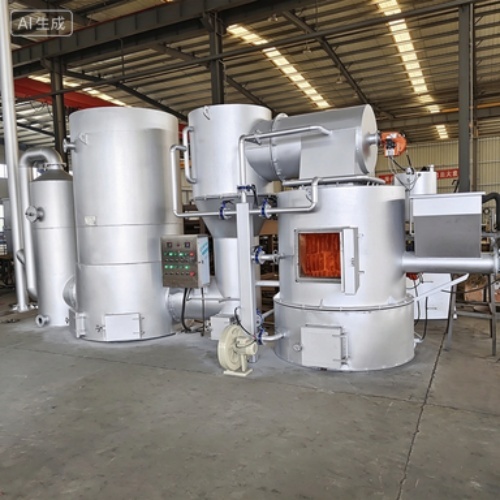
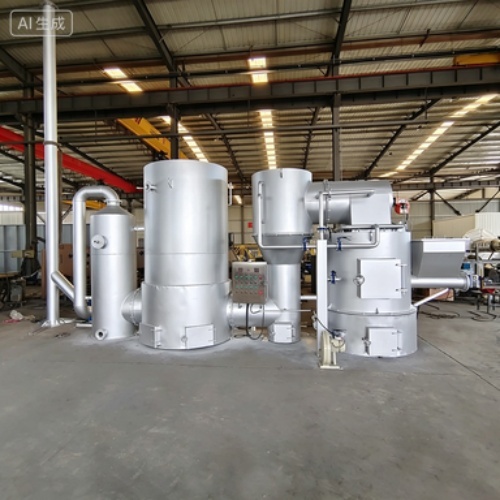
Eco Friendly Industrial Furnace for Hazardous Waste
Description
Advanced Industrial Solid Waste Incinerator and Eco Friendly Waste Burner Unit for Heavy Duty Disposal
In an era where environmental compliance and operational efficiency are paramount, managing industrial solid waste requires a solution that balances rigorous destruction capabilities with ecological responsibility. The modern landscape of waste management demands more than simple burning; it necessitates a sophisticated approach to harmless treatment incineration furnace technologies that ensure complete decomposition of hazardous materials while minimizing emissions. This comprehensive product description outlines the superior performance of our heavy duty industrial trash incinerator systems, designed specifically for municipal solid waste incineration plants and large-scale industrial facilities seeking safe waste destruction furnace solutions.
Overview of the Waste Disposal Equipment Ecosystem
The core of our offering lies in the integration of high-efficiency combustion chambers with advanced secondary air injection systems, creating a robust garbage incineration plant infrastructure. Unlike traditional disposal methods that often leave residual toxins or incomplete combustion byproducts, this automated garbage incineration plant utilizes precise temperature control and oxygen regulation to achieve near-total volume reduction. The system is engineered as an eco friendly waste burner unit, ensuring that the thermal energy generated during the process can be recovered or safely vented through multi-stage filtration units. This approach not only addresses the immediate need for waste volume reduction but also aligns with global standards for sustainable industrial operations. By deploying this industrial solid waste incinerator, facility managers can transform a potential environmental liability into a controlled, compliant, and efficient operational workflow. The technology supports continuous operation, reducing downtime and maintenance costs associated with frequent repairs or part replacements typical of lesser equipment.
Key Features and Technical Specifications
The design philosophy behind this waste disposal equipment for industry centers on durability, safety, and environmental stewardship. Several distinct features distinguish this model from conventional competitors. First, the primary combustion chamber is constructed from high-grade refractory materials capable of withstanding extreme temperatures exceeding one thousand degrees Celsius, ensuring longevity even when processing abrasive or high-moisture content waste streams. Second, the secondary combustion zone is equipped with dynamic airflow controls that promote thorough mixing of exhaust gases and fresh air, significantly reducing the formation of dioxins and furans, which are common concerns in older incineration technologies. Third, the automated feeding mechanism allows for consistent input rates, preventing overloading and ensuring stable combustion conditions throughout the day. Additionally, the system includes a built-in heat recovery option, allowing excess thermal energy to be utilized for space heating or steam generation, thereby improving overall energy efficiency. The control panel offers real-time monitoring of key parameters such as temperature, pressure, and oxygen levels, providing operators with full visibility and control over the disposal process. These features collectively make it a premier choice for those seeking a reliable harmless treatment incineration furnace.
Detailed Description of Operational Mechanics
Understanding the mechanics of this solid garbage incineration system reveals why it stands out in the market. The process begins with the automated loading of waste into the primary hopper, where mechanical shredders may optionally reduce the size of bulky items to facilitate easier feeding. Once inside the primary chamber, the waste undergoes initial pyrolysis and gasification due to the controlled introduction of limited oxygen. This stage breaks down complex organic molecules into simpler combustible gases. These gases then flow into the secondary chamber, where they are mixed with preheated secondary air and ignited. This two-stage combustion process ensures that any remaining volatile organic compounds are completely oxidized at high temperatures, effectively neutralizing pathogens and hazardous chemicals. The flue gas then passes through a series of cooling and filtration stages, including electrostatic precipitators and bag filters, to capture particulate matter before being released through the chimney. The bottom ash, which constitutes the non-combustible residue, is automatically discharged into sealed containers for further handling or landfilling. Throughout this entire sequence, the system maintains negative pressure to prevent any leakage of smoke or odors into the surrounding environment. This meticulous engineering ensures that the waste disposal equipment operates within strict regulatory limits, providing peace of mind for facility operators and local communities alike.
Application Scenarios and Industry Suitability
This versatile waste management solution is applicable across a wide range of sectors. Municipalities utilize these units for centralized processing of household refuse, reducing the burden on landfills and extending their lifespan. Healthcare facilities rely on the safe waste destruction furnace capabilities to dispose of biohazardous materials and pharmaceutical waste without risking contamination or disease spread. Manufacturing plants, particularly those in the chemical, textile, and food processing industries, employ the heavy duty industrial trash incinerator to manage production scrap, off-spec products, and packaging materials. Construction sites use the portable or semi-portable versions of this equipment to handle demolition debris and contaminated soil. Furthermore, remote mining operations and military bases benefit from the self-contained nature of the system, which requires minimal external infrastructure. The adaptability of the automated garbage incineration plant makes it suitable for both fixed installations and modular setups, catering to diverse logistical requirements. Whether dealing with low-calorific value waste or high-energy density materials, the system can be tuned to optimize performance for specific feedstock characteristics.
User Feedback and Performance Validation
Operators who have integrated this industrial solid waste incinerator into their workflows consistently report significant improvements in waste handling efficiency. Many users highlight the ease of automation, noting that the intuitive control interface reduces the learning curve for new staff members. Environmental officers appreciate the transparent emission data provided by the system, which simplifies compliance reporting and audits. Maintenance teams have observed fewer breakdowns compared to previous models, attributing this reliability to the robust construction and simplified mechanical design. Some users have also noted the economic benefits of heat recovery options, which offset a portion of their energy costs. Overall, the consensus among professionals is that this eco friendly waste burner unit represents a substantial upgrade in terms of both operational safety and environmental impact. The positive feedback underscores the effectiveness of the harmless treatment incineration furnace in meeting the stringent demands of modern industrial hygiene and sustainability goals.
Frequently Asked Questions Regarding Implementation
Prospective buyers often inquire about the installation requirements for such a sophisticated system. Typically, the unit requires a level concrete foundation and access to electrical power for the control systems and auxiliary fans. Depending on the model, connections for water supply may be needed for certain cooling or scrubbing functions. Regarding operational costs, while the initial investment is higher than basic incinerators, the long-term savings from reduced waste hauling fees, lower landfill taxes, and potential energy recovery often result in a favorable return on investment. Maintenance involves regular inspection of refractory linings, cleaning of filters, and calibration of sensors, all of which are straightforward tasks for trained personnel. Safety protocols include emergency shutdown procedures and fire suppression systems integrated into the design. For inquiries regarding customization, such as adjusting capacity or adding specific filtration stages, direct consultation with technical engineers is recommended to tailor the solution to unique site conditions. This flexibility ensures that every client receives a waste disposal equipment package that precisely fits their operational needs and regulatory environment.
In conclusion, selecting the right waste management technology is a critical decision for any organization committed to responsible operations. Our industrial solid waste incinerator offers a proven, efficient, and environmentally sound solution for the complex challenges of modern waste disposal. By combining advanced combustion science with user-friendly automation, we provide a tool that not only eliminates waste but also contributes to a cleaner, safer, and more sustainable future. Embrace the next generation of waste treatment with our heavy duty industrial trash incinerator, designed to meet the highest standards of performance and ecological integrity.


You may also like


${currentPro.title}