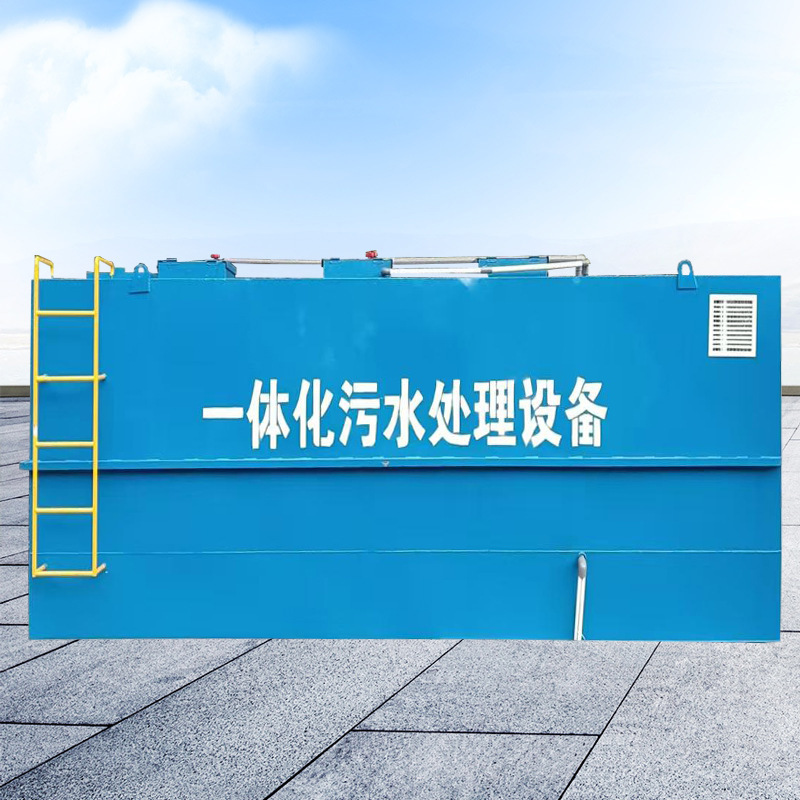
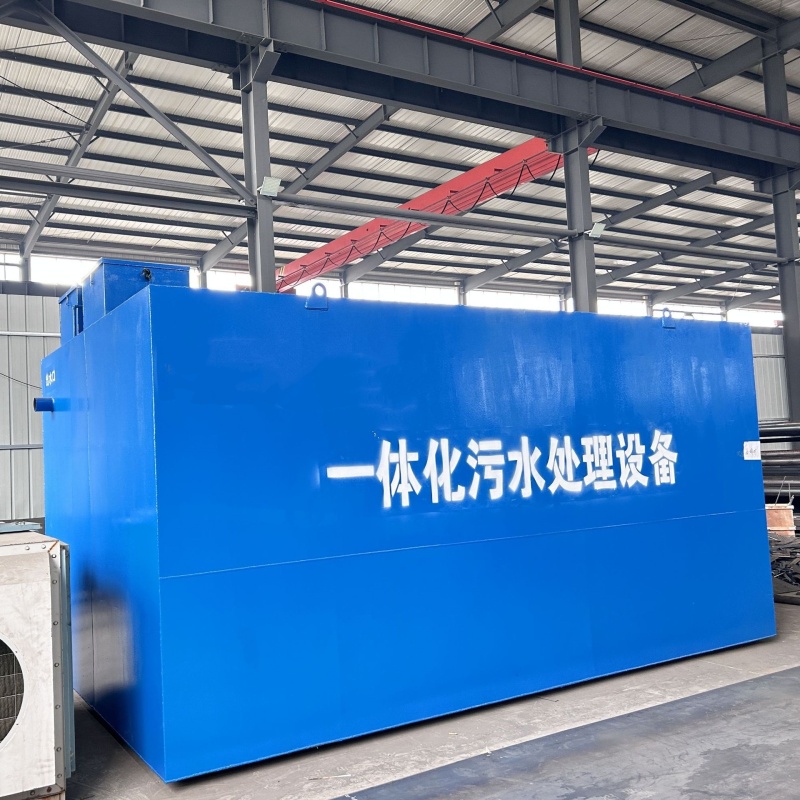
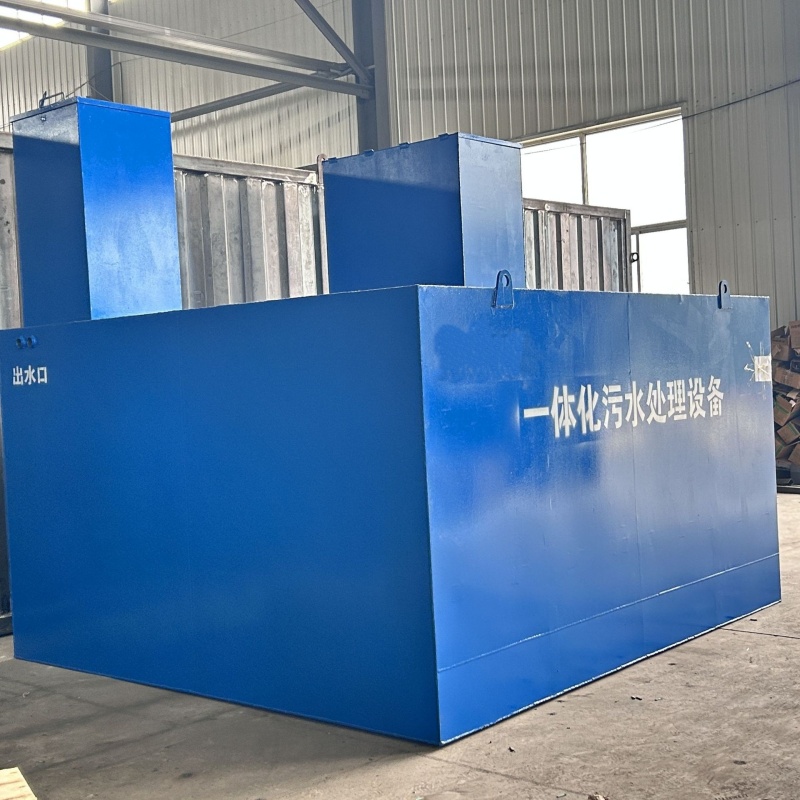
Adapted Subterranean Sewage Treatment Plant Configurations
Description
Custom Buried Sewage Treatment Equipment: Advanced Subsurface Wastewater Purification Solutions Overview of Integrated Underground Waste Water Processing Units In modern environmental management and residential infrastructure development, the efficient handling of wastewater is paramount. Traditional above-ground sewage systems often disrupt landscape aesthetics, consume valuable surface real estate, and may pose hygiene concerns due to exposure. To address these challenges, our custom buried sewage treatment equipment offers a sophisticated, eco-friendly alternative. This integrated wastewater disposal system is engineered to be installed beneath the ground, seamlessly blending with the surrounding environment while providing robust purification capabilities. The custom underground sewage disposal unit utilizes advanced biological and physical treatment processes to ensure that effluent meets stringent environmental standards before discharge or reuse. By opting for a buried type sewage disposal machine, property owners can enjoy a silent, odor-free, and visually unobtrusive solution that maintains the integrity of their land use. Whether for private residences, commercial complexes, or remote facilities, this subsurface wastewater treatment plant represents the pinnacle of modern sanitation technology, combining durability with high-performance filtration in a compact, modular design. Key Features of the Buried Integrated Sewage Purification Unit The core strength of our custom integrated sewage equipment lies in its innovative engineering and user-centric design. First, the system is constructed from high-grade, corrosion-resistant materials such as polyethylene or fiberglass reinforced plastic, ensuring longevity even in harsh soil conditions. The custom buried sewage treatment equipment is designed with a modular structure, allowing for easy transportation and installation without the need for heavy machinery in restricted spaces. Second, the integrated wastewater disposal system employs a multi-stage treatment process. It begins with an anaerobic digestion tank where large solids are broken down, followed by an aerobic bio-contact oxidation tank where beneficial microorganisms degrade organic pollutants. Finally, a secondary sedimentation tank separates the treated water from sludge, resulting in clear, disinfected effluent. Another critical feature is the automation capability. The custom underground sewage disposal unit comes equipped with a smart control panel that monitors operational parameters in real-time, including power consumption, pump status, and alarm triggers. This ensures minimal maintenance effort and immediate response to any irregularities. Furthermore, the buried integrated sewage purification unit is designed to be energy-efficient, utilizing low-power pumps and optimized airflow systems to reduce electricity costs. The compact footprint of the subsurface wastewater treatment plant allows it to be installed under lawns, driveways, or gardens, preserving the aesthetic value of the property. Additionally, the system is fully customizable to meet specific flow rate requirements and local regulatory standards, making it a versatile solution for diverse applications. Detailed Description of the System Functionality Understanding the mechanics behind the buried type sewage disposal machine reveals why it is superior to conventional septic tanks. Unlike simple storage units, this underground waste water processing unit actively treats wastewater through biological processes. The influent enters the first compartment, the equalization tank, which balances the hydraulic load and pH levels. From there, the wastewater flows into the main bioreactor. Here, the attached growth method is utilized, where biofilms on filler media facilitate the breakdown of carbonaceous matter, nitrogen, and phosphorus. This biological treatment significantly reduces the Chemical Oxygen Demand (COD) and Biological Oxygen Demand (BOD) of the effluent. After biological treatment, the mixed liquor flows to the settling tank. Due to gravity, solid particles settle at the bottom, while clarified water rises to the top. A portion of the settled sludge is recycled back to the bioreactor to maintain microbial population density, while excess sludge is periodically pumped out for disposal. The final stage involves disinfection, typically using chlorine tablets or UV light, to eliminate pathogenic bacteria and viruses before the water is discharged into a drain field, irrigation system, or nearby water body. The entire process is enclosed within the buried integrated sewage purification unit, preventing odors and protecting against external contamination. The system’s insulation properties also allow it to function effectively in cold climates, preventing freezing of the internal components. This comprehensive approach ensures that the custom buried sewage treatment equipment delivers consistent, high-quality output regardless of external weather conditions or usage patterns. Application Scenarios for Subsurface Wastewater Treatment Plants The versatility of the custom integrated sewage equipment makes it suitable for a wide array of environments. For residential properties, particularly those in suburban or rural areas lacking connection to municipal sewer lines, the buried type sewage disposal machine provides a reliable and hygienic solution. Homeowners can install the system under their front lawn or backyard without compromising the visual appeal of their garden. In commercial settings, such as hotels, resorts, and shopping malls, space optimization is crucial. The compact design of the underground waste water processing unit allows it to be placed beneath parking lots or landscaped areas, freeing up valuable surface space for customer use or additional construction. Remote locations like mountain lodges, hunting cabins, and isolated industrial sites often face logistical challenges in waste management. The custom underground sewage disposal unit is ideal for these scenarios due to its ease of transport and self-contained nature. It does not require extensive piping networks to connect to distant treatment facilities. Similarly, in environmentally sensitive areas, such as near lakes or rivers, the high purification efficiency of the subsurface wastewater treatment plant ensures that discharged water does not contribute to eutrophication or pollution. Event venues and temporary construction camps also benefit from the modular and portable nature of the integrated wastewater disposal system, which can be deployed quickly and removed when no longer needed. This adaptability underscores the value of choosing a custom buried sewage treatment equipment over traditional fixed infrastructure. User Perspectives on Integrated Sewage Systems Feedback from users highlights the transformative impact of adopting buried integrated sewage purification units. Many homeowners report significant satisfaction with the silence and lack of odor associated with the system. Unlike noisy above-ground pumps or smelly septic tanks, the underground waste water processing unit operates quietly and remains completely hidden. Users appreciate the peace of mind that comes with knowing their wastewater is being treated to a high standard, reducing the risk of groundwater contamination. Property managers in commercial sectors have noted the ease of maintenance and the long service life of the custom integrated sewage equipment. The automated monitoring systems reduce the frequency of manual inspections, lowering operational costs. Furthermore, the aesthetic preservation of the landscape is frequently cited as a major advantage. Landscapers and architects commend the ability to integrate the subsurface wastewater treatment plant into site plans without disrupting the overall design. These testimonials reflect a growing trend towards sustainable, invisible infrastructure solutions that prioritize both functionality and environmental harmony. Frequently Asked Questions Regarding Buried Sewage Disposal Machines What is the expected lifespan of a custom buried sewage treatment equipment? With proper maintenance, the custom underground sewage disposal unit can last for 20 to 30 years. The durable materials used in construction resist corrosion and degradation, ensuring long-term performance. Regular inspection of the mechanical components and periodic removal of sludge are recommended to maximize longevity. How much space is required for installation? The footprint of the buried integrated sewage purification unit is relatively small compared to traditional systems. Depending on the capacity, the unit may require only a few square meters of space. It can be installed under grass, flower beds, or even light vehicular traffic areas, provided the structural load limits are respected. Is the system difficult to maintain? No, the integrated wastewater disposal system is designed for minimal maintenance. Most models feature automatic controls that handle routine operations. Users only need to check the control panel occasionally and schedule professional servicing once or twice a year for sludge pumping and component checks. Can the system handle heavy rainfall? Yes, the custom buried sewage treatment equipment is designed to manage variable hydraulic loads. The equalization tank helps buffer sudden increases in water volume caused by heavy rain, preventing system overload and ensuring consistent treatment quality. Are there any environmental benefits? Absolutely. The subsurface wastewater treatment plant significantly reduces pollution by treating wastewater on-site. It prevents contaminants from entering groundwater and surface water bodies. Additionally, the treated water can often be reused for irrigation, promoting water conservation and sustainability. Why choose a buried type sewage disposal machine over a septic tank? Unlike a basic septic tank which only separates solids, the buried type sewage disposal machine actively treats wastewater through biological and chemical processes. This results in much higher quality effluent, less frequent pumping needs, and a smaller footprint. It is a more advanced and environmentally responsible solution for modern sanitation needs.


You may also like


${currentPro.title}