Compact VOC Removal Device Combining UV and Carbon
Description
Advanced Industrial Waste Disposal Equipment: High-Efficiency UV Ozone Air Purifier with Activated Carbon Filter for Environmental Protection
In the modern industrial landscape, maintaining pristine air quality and ensuring strict compliance with environmental regulations are paramount challenges. The integration of sophisticated waste disposal equipment has become a necessity rather than a luxury for manufacturing facilities, chemical plants, and processing units. This comprehensive solution combines cutting-edge ultraviolet light technology with high-grade activated carbon filtration to deliver an unparalleled approach to air purification. Designed specifically for the rigorous demands of global industries, this system addresses the complex issue of volatile organic compounds (VOCs) and noxious odors, offering a robust mechanism for transforming polluted atmospheres into clean, safe environments. By leveraging photocatalytic oxidation processes alongside deep adsorption capabilities, this unit represents the pinnacle of clean air technology, providing businesses with a reliable method to mitigate their environmental footprint while adhering to international safety standards.
Key Features
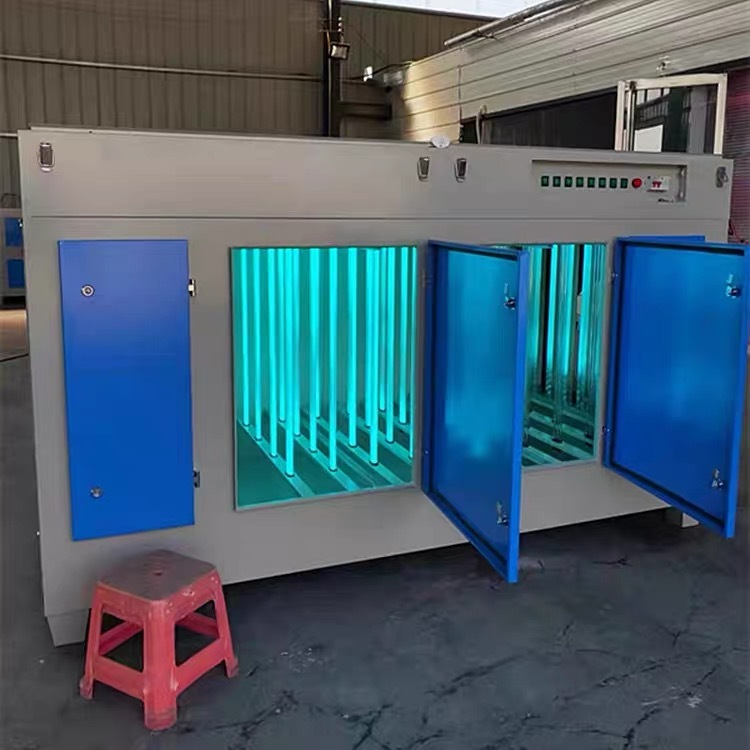
The core of this advanced purification system lies in its dual-action mechanism, which synergizes ultraviolet catalysis with physical adsorption. The primary feature is the high-intensity UV lamp array, engineered to emit specific wavelengths that break down molecular bonds in harmful gases. This process, known as photolysis, initiates the decomposition of VOCs into harmless substances such as water vapor and carbon dioxide. Complementing this is the multi-layered activated carbon filter, which possesses an extensive surface area capable of trapping particulate matter and absorbing gaseous pollutants that the UV light may not immediately decompose. This combination ensures a higher removal efficiency compared to single-stage systems. Furthermore, the device incorporates a specialized ozone generation component that aids in sterilization and odor neutralization, making it particularly effective in environments where biological contaminants or strong smells are prevalent. The construction materials are corrosion-resistant, ensuring longevity even when exposed to aggressive chemical vapors. Energy-efficient components reduce operational costs, while the modular design allows for easy maintenance and filter replacement without disrupting continuous operations.
Detailed Description
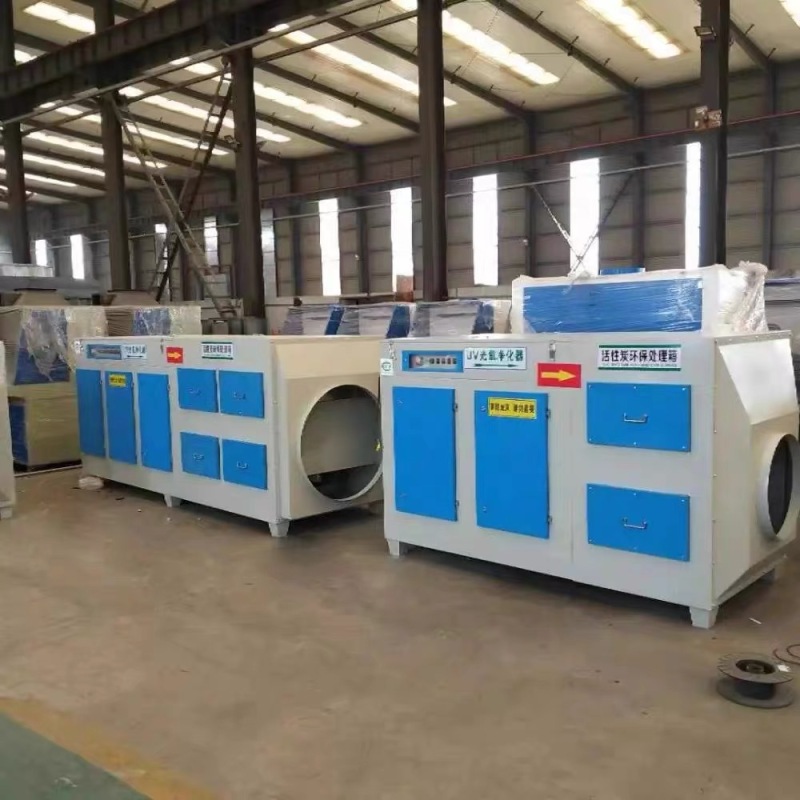
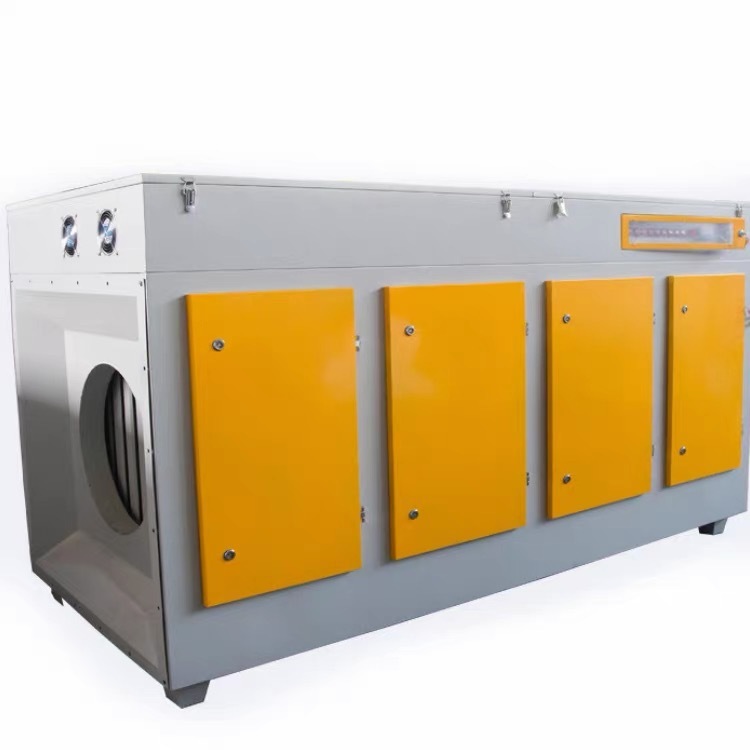
This industrial VOCs removal system is meticulously crafted to serve as a central component in environmental protection infrastructure. At its heart is the photo oxidation carbon device, which utilizes the principles of photocatalytic oxidation to achieve superior air cleaning results. When exhaust gases enter the treatment chamber, they are first subjected to intense UV radiation. This radiation interacts with oxygen molecules in the air to produce hydroxyl radicals and other oxidizing agents. These highly reactive species attack the structure of pollutant molecules, effectively dismantling them at the atomic level. Simultaneously, the activated carbon bed acts as a sponge for remaining impurities. The carbon used in this unit is specially treated to enhance its adsorption capacity, allowing it to capture a wide spectrum of organic compounds, including benzene, toluene, xylene, and various aliphatic hydrocarbons. The synergy between the UV catalysis adsorber and the carbon filter creates a fail-safe mechanism; if one stage encounters a surge in pollutant load, the other provides backup protection, ensuring consistent output quality. The system is designed with airflow dynamics in mind, minimizing pressure drop while maximizing contact time between the contaminated air and the treatment media. This results in a significant reduction in energy consumption per cubic meter of air processed. Additionally, the unit features intelligent monitoring ports for regular inspection of UV lamp intensity and carbon saturation levels, facilitating predictive maintenance and preventing unexpected downtime. The overall architecture is compact yet powerful, fitting seamlessly into existing ventilation ductwork or standalone setups, making it versatile for both retrofitting older facilities and integrating into new green building projects.
Application Scenarios
The versatility of this waste gas treatment unit makes it suitable for a diverse range of industrial applications. In the pharmaceutical industry, it is essential for controlling emissions from synthesis processes where potent chemicals are handled. Paint and coating manufacturers benefit significantly from its ability to eliminate solvent fumes and aromatic hydrocarbons released during spraying and drying phases. The food and beverage sector utilizes this equipment to manage odors generated from cooking, frying, and waste processing areas, ensuring that neighboring communities are not affected by unpleasant smells. Printing presses and packaging facilities, which often deal with ink solvents and adhesive vapors, find this system invaluable for meeting stringent emission limits. Wastewater treatment plants employ it to neutralize hydrogen sulfide and ammonia gases produced during sludge digestion. Moreover, laboratories and research centers use it to maintain safe working conditions by extracting hazardous fumes from experiments. It is also increasingly adopted in automotive assembly lines for curing paints and in plastic manufacturing for handling polymer off-gassing. Any environment where air quality directly impacts worker health, product integrity, or regulatory compliance can leverage the benefits of this photo oxidation carbon device. Its effectiveness extends to municipal solid waste transfer stations and recycling centers, where it helps control bio-aerosols and methane-related odors, contributing to a cleaner urban environment.
User Feedback
Operators who have integrated this UV carbon combo smell elimination machine into their workflows report substantial improvements in workplace atmosphere and regulatory compliance. Many users highlight the noticeable reduction in pungent odors within minutes of activation, describing the change as transformative for employee comfort and morale. Maintenance teams appreciate the straightforward design, noting that replacing the activated carbon filters and checking UV lamps is a simple task that does not require specialized technical training. Several facility managers have documented a decrease in complaints from nearby residents regarding industrial emissions, attributing this success to the high efficiency of the photocatalytic oxidation process. Users also value the energy savings, observing lower electricity bills due to the optimized power consumption of the UV arrays compared to traditional thermal oxidation methods. Some feedback indicates that the system performs exceptionally well in humid conditions, a common challenge for many air purifiers, thanks to the stability of the photocatalytic reaction. Overall, the consensus among professionals is that this environmental protection equipment offers a reliable, long-term solution for managing complex air pollution issues, justifying the initial investment through improved operational continuity and reduced liability risks associated with non-compliance.
Frequently Asked Questions
What types of pollutants is this system most effective against? The equipment is primarily designed for volatile organic compounds (VOCs), sulfur-containing gases, nitrogen oxides, and various malodorous substances. It excels in breaking down complex organic molecules found in paint fumes, solvent vapors, and chemical processing emissions. While it handles particulate matter, its main strength lies in gaseous pollutant removal. Can it operate continuously without maintenance? While the system is built for durability, regular maintenance is required to ensure optimal performance. UV lamps lose intensity over time and need periodic replacement, typically every 8,000 to 10,000 hours. Activated carbon filters must be changed when they reach saturation, which depends on the concentration of pollutants in the intake air. Monitoring systems can help determine the right timing for these replacements. Is ozone production a concern? The device generates controlled amounts of ozone as part of the purification process to aid in sterilization and odor removal. However, the design includes mechanisms to minimize excess ozone release, ensuring that outlet air remains within safe exposure limits defined by occupational health standards. For sensitive environments, additional post-treatment stages can be added if necessary. How does it compare to traditional scrubbers? Unlike wet scrubbers that require large volumes of water and generate wastewater, this dry filtration system uses minimal resources and produces no liquid waste. It is generally more energy-efficient and easier to install in spaces where water supply or drainage is limited. Additionally, it avoids the risk of bacterial growth associated with water-based systems. What is the expected lifespan of the unit? With proper maintenance, the structural components of the waste disposal equipment can last over ten years. The consumable parts, such as UV lamps and carbon filters, have shorter lifespans but are cost-effective to replace. The electronic controls are designed for industrial-grade reliability, ensuring stable operation under varying load conditions.


You may also like


${currentPro.title}