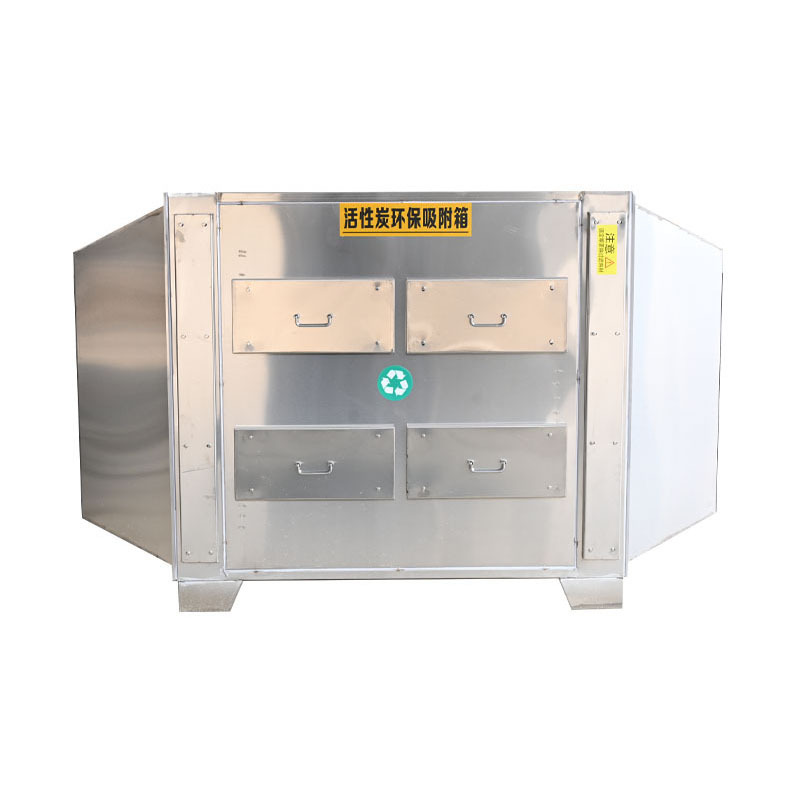
Industrial Waste Disposal Equipment: Dual-Stage Activated Carbon Adsorption Box for Dry Paint Mist Filtration
Description
Industrial Air Purification Solutions: High-Efficiency Activated Carbon Adsorption and Dry Paint Mist Filtration Systems for Manufacturing Compliance Overview of Advanced Waste Disposal Equipment Technologies In the modern industrial landscape, maintaining pristine air quality while managing hazardous emissions is a paramount challenge for facility managers and environmental compliance officers. The evolution of waste disposal equipment has shifted from simple containment to sophisticated purification technologies that not only meet stringent regulatory standards but also enhance operational efficiency. This comprehensive guide explores the critical components of industrial air pollution control, focusing on two primary categories: activated carbon adsorption systems and dry paint mist filtration units. These technologies represent the forefront of environmental protection engineering, designed to capture volatile organic compounds (VOCs), particulate matter, and overspray with exceptional precision. By integrating high-performance filter media and advanced adsorption mechanisms, these systems ensure that industrial exhaust meets global emission limits, safeguarding both worker health and the surrounding ecosystem. The following analysis delves into the technical specifications, operational benefits, and strategic applications of these essential waste disposal equipment solutions, providing a deep understanding of how they function as integral parts of an industrial hygiene infrastructure. Key Characteristics of Industrial Filtration Units The efficacy of any industrial air purification system relies heavily on its core characteristics, which are engineered to withstand harsh operating conditions while delivering consistent performance. A defining feature of modern activated carbon adsorption boxes is their high surface area adsorbent material, typically derived from coconut shell or coal-based sources, which offers superior porosity for capturing a wide spectrum of gaseous pollutants. These units are constructed with robust housing materials resistant to corrosion and thermal stress, ensuring longevity even in demanding environments such as chemical processing plants or automotive manufacturing facilities. Similarly, dry paint mist filter systems utilize specialized pleated filter media designed to trap solid particles without the need for water, eliminating the complexities associated with wet scrubbing systems. Key characteristics include high dust holding capacity, low pressure drop for energy efficiency, and easy replacement mechanisms that minimize downtime. The integration of secondary environmental protection purifiers further enhances this capability by providing multi-stage filtration, where pre-filters capture large debris, followed by fine particulate filters, and finally, activated carbon layers for odor and VOC removal. This layered approach ensures that the waste disposal equipment operates at peak efficiency, reducing maintenance costs and extending the lifespan of downstream components like fans and ductwork. Detailed Description of Activated Carbon Adsorption Technology Activated carbon adsorption stands as a cornerstone technology in the realm of industrial waste disposal equipment, particularly for treating gaseous contaminants. The process involves passing contaminated air through a bed of granular or pelletized activated carbon. Due to its extensive network of microscopic pores, the carbon acts as a magnet for pollutant molecules, trapping them via physical adsorption. This mechanism is highly effective against a broad range of substances, including benzene, toluene, xylene, and various other volatile organic compounds commonly found in painting, printing, and pharmaceutical industries. The industrial activated carbon adsorption box waste disposal equipment described herein is engineered with optimized airflow distribution channels to prevent channeling, ensuring that all incoming air interacts uniformly with the adsorbent material. Furthermore, the design incorporates safety features such as temperature monitoring sensors and explosion-proof configurations, addressing the potential risks associated with flammable vapors. The regeneration or replacement cycle of the carbon media is simplified through modular designs, allowing for quick swaps without halting entire production lines. This adaptability makes it an ideal solution for facilities requiring continuous operation while adhering to strict environmental regulations. The depth of the carbon bed can be customized based on specific flow rates and contaminant concentrations, offering tailored solutions for diverse industrial needs. Analysis of Dry Paint Mist Filter Systems For industries involving spray painting and coating applications, the management of paint mist is a critical operational concern. Traditional wet scrubbers, while effective, generate wastewater that requires complex treatment processes. In contrast, the dry paint mist filter system paint spray booth dry filter media industrial air pollution control device offers a cleaner, more sustainable alternative. This system utilizes high-efficiency dry type paint spray filter housing units equipped with progressive layer filter media. As air flows through the spray booth, the filter media captures paint particles through interception, impaction, and diffusion mechanisms. The pleated structure of the media maximizes surface area within a compact footprint, enhancing capture efficiency while maintaining a low resistance to airflow. This results in reduced energy consumption for ventilation fans, contributing to overall operational cost savings. Additionally, the dry nature of the system eliminates the risk of sludge formation and water contamination, simplifying waste handling procedures. The collected paint residue remains contained within the filter media, which can be disposed of as solid waste according to local hazardous material guidelines. This method not only streamlines the cleaning process but also improves visibility within the spray booth, leading to higher quality finishes and increased productivity. The compatibility of these filters with standard spray booth dimensions ensures easy retrofitting for existing facilities, making them a versatile choice for upgrading legacy systems. Secondary Environmental Protection and High-Efficiency Collection To achieve comprehensive air quality management, many industrial facilities employ a multi-tiered approach to pollution control. The secondary environmental protection purifier high efficiency dry paint mist collector serves as a crucial component in this strategy, often positioned downstream of primary filtration stages. Its role is to capture residual fine particles and any remaining odorous compounds that may have escaped earlier stages of treatment. By utilizing advanced fibrous media and enhanced structural integrity, these collectors ensure that exhaust emissions remain well below permissible exposure limits. The high efficiency dry paint spray filter housing is designed to maintain stable performance over extended periods, resisting clogging and degradation caused by humidity or chemical exposure. This reliability is vital for maintaining consistent air velocity and pressure balance within the ventilation system. Moreover, the modular construction allows for incremental expansion, enabling businesses to scale their purification capabilities as production volumes increase. The integration of smart monitoring interfaces provides real-time data on filter status, pressure differentials, and system performance, facilitating predictive maintenance and proactive issue resolution. This level of technological sophistication transforms waste disposal equipment from a passive compliance tool into an active asset for operational optimization and environmental stewardship. Application Scenarios Across Various Industries The versatility of these waste disposal equipment solutions allows them to be deployed across a wide array of industrial sectors. In the automotive industry, they are indispensable for maintaining clean air in assembly lines and body shops where painting and welding activities generate significant particulate and gaseous emissions. Manufacturing plants producing electronics and appliances benefit from the precise removal of solvents and fumes generated during coating and curing processes. The pharmaceutical and biotechnology sectors rely on these systems to contain potent active ingredients and volatile chemicals, ensuring worker safety and product purity. Printing facilities utilize activated carbon adsorption boxes to mitigate the strong odors and VOCs released during ink drying and paper processing. Even in smaller workshops engaged in metal fabrication or woodworking, efficient dust and smoke extraction systems contribute to a healthier work environment. The adaptability of the dry filter media makes it suitable for varying booth sizes and airflow requirements, while the robustness of the activated carbon units ensures reliable performance in chemically aggressive environments. By selecting the appropriate combination of filtration technologies, industries can tailor their waste disposal strategies to address specific emission profiles, achieving optimal balance between cost-effectiveness and regulatory compliance. User Feedback and Operational Insights Industry professionals who have implemented these advanced filtration systems frequently highlight the tangible improvements in workplace safety and regulatory adherence. Operators report a noticeable reduction in airborne contaminants, leading to fewer respiratory issues among staff and a generally more pleasant working atmosphere. Maintenance teams appreciate the ease of access and straightforward replacement procedures for both filter media and carbon beds, which significantly reduces labor hours and downtime. The elimination of water usage in dry paint mist systems has been particularly praised for removing the burden of wastewater management and associated disposal costs. Users also note the stability of airflow performance, which contributes to consistent product quality in sensitive manufacturing processes. The durability of the equipment under continuous operation has proven to be a key factor in long-term value, with many facilities reporting extended service intervals compared to traditional scrubbing methods. Furthermore, the ability to monitor system performance remotely adds a layer of convenience and control, allowing managers to make informed decisions regarding maintenance schedules and resource allocation. These positive experiences underscore the effectiveness of modern waste disposal equipment in meeting the dual demands of environmental responsibility and operational efficiency. Frequently Asked Questions Regarding Industrial Filtration What is the expected lifespan of activated carbon media? The lifespan varies depending on the concentration of pollutants and airflow volume, but typically ranges from three to six months before saturation occurs. Regular monitoring of breakthrough points helps determine the optimal replacement timing. How do dry filters compare to wet scrubbers in terms of cost? While initial installation costs may be comparable, dry filters often result in lower long-term operational expenses due to the absence of water treatment requirements and reduced energy consumption for ventilation. Can these systems handle high-humidity environments? Yes, specialized hydrophobic filter media and treated carbon can be used in high-humidity settings to prevent moisture-related degradation and maintain filtration efficiency. Is regular maintenance required for the adsorption boxes? Routine inspections are recommended to check for pressure drops and physical damage. Cleaning of pre-filters and timely replacement of saturated carbon ensure sustained performance. Are there options for customizing filter sizes? Absolutely, manufacturers offer customizable dimensions and configurations to fit specific booth layouts and airflow requirements, ensuring seamless integration into existing infrastructure. By leveraging these advanced technologies, industries can effectively manage their environmental impact while maintaining high standards of operational excellence. The continued innovation in waste disposal equipment promises even greater efficiencies and sustainability in the years to come.


You may also like


${currentPro.title}