War Zone Waste Processing System
Description
Advanced Post War Debris Waste Disposal Equipment: Comprehensive Demolition Waste Recycling and Screening Solutions
The aftermath of conflict, industrial demolition, and urban decay presents a complex logistical challenge that requires more than simple removal; it demands precision, safety, and efficiency. Our state-of-the-art post war debris waste disposal equipment is engineered to address the multifaceted nature of hazardous and non-hazardous waste streams found in modern disaster zones and construction sites. This specialized machinery serves as a critical component in the cycle of recovery and reconstruction, transforming chaotic rubble into manageable resources while ensuring the absolute safety of personnel involved in cleanup operations. By integrating advanced screening technologies with robust crushing mechanisms, this system offers a holistic approach to managing everything from concrete rubble and soil contamination to unexploded ordnance detection and separation.
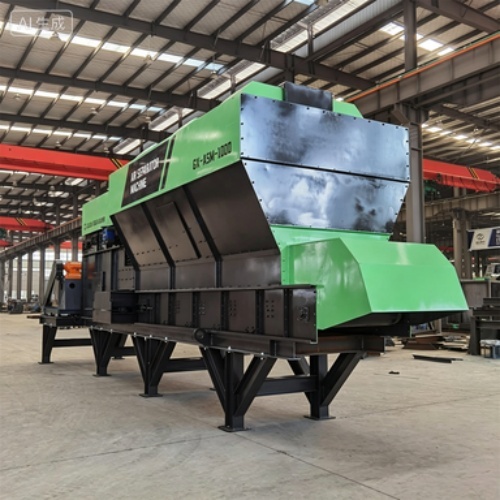
At the heart of our solution lies a sophisticated waste processor designed for high-volume throughput without compromising on operational safety. The equipment is built to withstand the harsh conditions typical of conflict zone debris removal environments, utilizing heavy-duty materials and reinforced structural components. Unlike standard industrial crushers, this unit incorporates multi-stage filtration and magnetic separation capabilities, which are essential when dealing with mixed waste streams containing metal fragments, glass, organic matter, and potentially dangerous remnants of warfare. The primary objective is not merely volume reduction but the intelligent sorting and recycling of materials, thereby reducing landfill dependency and promoting sustainable environmental restoration practices globally.
Key Features and Technical Specifications
The engineering behind this post war debris waste disposal equipment focuses on modularity, adaptability, and user safety. Each component is designed to work seamlessly within a larger workflow, allowing operators to customize the setup based on the specific type of debris encountered. Whether processing fine dust from collapsed structures or large chunks of reinforced concrete, the machine adjusts its parameters to optimize output quality. Key features include an integrated vibration screening deck that separates materials by size with high accuracy, preventing clogging and maintaining continuous operation even under heavy loads. Additionally, the inclusion of automated remote control systems minimizes human exposure to hazardous areas, a crucial aspect when handling potential chemical contaminants or unstable structural remains.
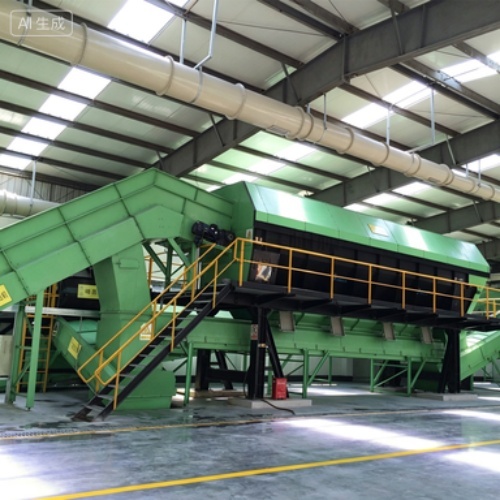
Safety is paramount in any military site cleanup operation, and our design reflects this priority through redundant safety protocols and emergency shutdown mechanisms. The screening process is complemented by a powerful air classification system that removes lightweight pollutants and dust, ensuring that the final product meets environmental standards for reuse or safe disposal. The equipment also features a modular conveyor belt system that allows for easy expansion or reconfiguration depending on the scale of the project. This flexibility makes it suitable for both small-scale urban decay remediation projects and large-scale infrastructure rehabilitation efforts following natural disasters or prolonged conflicts. Furthermore, the noise reduction technology employed ensures that operations can continue with minimal disturbance to nearby civilian populations, fostering community trust during sensitive recovery phases.
Detailed Operational Description
The operational workflow begins with the initial intake of waste material, which is fed into the primary crushing chamber. Here, large blocks of construction rubble are broken down into smaller, more manageable pieces. This stage is critical for preparing the material for subsequent screening processes. As the crushed material moves along the conveyor, it passes through a series of vibrating screens that separate particles by size. Oversized materials are redirected back into the crusher for further reduction, while appropriately sized fractions move forward for sorting. This closed-loop system ensures maximum efficiency and minimizes waste generation.
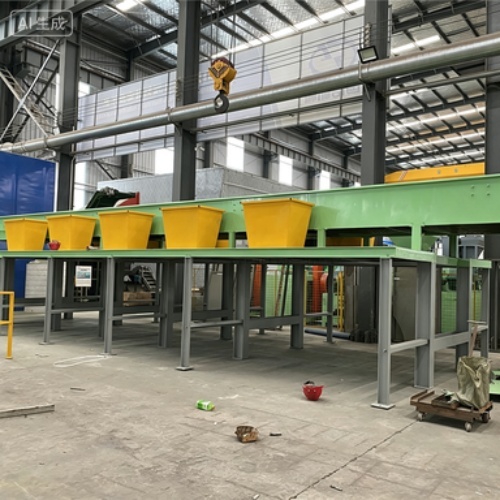
Beyond basic size reduction, the equipment excels in separating heterogeneous mixtures. Advanced sensor technology, including optical sorters and metal detectors, identifies and isolates valuable recyclables such as steel rebar, aluminum, and clean concrete aggregates. These materials can then be sold or repurposed, contributing to the economic viability of the cleanup project. Simultaneously, hazardous materials like unexploded ordnance debris separators detect and safely contain any explosive remnants, directing them to specialized handling units. This dual capability of resource recovery and hazard mitigation makes the machine indispensable for comprehensive site rehabilitation. The final output consists of sorted, clean aggregates ready for use in new construction, backfilling, or road base applications, effectively closing the loop on waste management.
Application Scenarios and Use Cases
This versatile waste disposal machinery is applicable across a wide range of industries and scenarios where rapid and thorough debris clearance is required. In post-conflict regions, the war remnant trash sorting system plays a vital role in restoring habitable spaces by removing both visible rubble and hidden dangers. Urban planners utilize this equipment for large-scale demolition projects, where efficient recycling of concrete and brick reduces transportation costs and environmental impact. Similarly, emergency response teams deploy these units after natural disasters such as earthquakes or hurricanes, where time is of the essence, and the volume of debris is overwhelming. The ability to quickly process and segregate materials allows for faster access to affected areas and accelerates the overall recovery timeline.
Furthermore, the equipment is ideal for industrial brownfield remediation, where contaminated soil and building materials need to be processed before redevelopment. The precise separation capabilities ensure that hazardous substances are isolated and treated separately, protecting groundwater and soil health. Military bases often employ this technology for routine maintenance and decommissioning activities, ensuring that all waste is handled in compliance with strict defense regulations. By providing a reliable and efficient solution for diverse waste streams, this machinery supports global efforts toward sustainable development and resilient infrastructure rebuilding.
User Feedback and Performance Insights
Operators who have utilized this post war debris waste disposal equipment consistently highlight its reliability and ease of use in challenging environments. Field reports indicate significant reductions in processing time compared to traditional methods, allowing teams to cover larger areas in shorter periods. The durability of the components has been praised, with many units operating continuously for months without major breakdowns, even in dusty and abrasive conditions. Users appreciate the intuitive control interface, which simplifies operation for technicians with varying levels of technical expertise. Safety records have improved markedly due to the reduced need for manual intervention in hazardous zones, leading to lower insurance premiums and enhanced worker confidence.
Environmental agencies have also noted the positive impact of using this technology, citing higher rates of material recovery and lower carbon footprints associated with waste transport. The ability to produce high-quality recycled aggregates directly on-site eliminates the need for long-distance hauling, further reducing emissions. Stakeholders involved in urban renewal projects report smoother permitting processes due to the demonstrated commitment to sustainable waste management practices. Overall, the consensus among users is that this equipment represents a significant advancement in the field of debris management, offering a balanced solution that prioritizes safety, efficiency, and environmental stewardship.
Frequently Asked Questions
What types of materials can this equipment process?
The system is designed to handle a wide variety of materials, including concrete, asphalt, brick, wood, metal scraps, and mixed demolition waste. It is particularly effective at separating hazardous items from general debris, making it suitable for complex waste streams found in post-war or disaster zones.
How does the unexploded ordnance debris separator function?
The separator utilizes a combination of magnetic induction, metal detection sensors, and mechanical sieving to identify and isolate metallic objects that may pose a risk. When a potential threat is detected, the system automatically diverts the item to a secure containment area, preventing accidental detonation and ensuring operator safety.
Is the equipment portable enough for remote locations?
Yes, the modular design allows for disassembly and transport via standard shipping containers or heavy-duty trucks. This portability makes it ideal for deployment in remote conflict zones or disaster-stricken areas where infrastructure may be limited. Quick assembly and disassembly procedures minimize downtime between sites.
Can the recycled materials be used immediately?
Once processed and screened, the clean aggregates meet industry standards for use in construction projects, such as road base, fill material, or new concrete production. However, if contamination is suspected, additional testing may be required before full integration into new builds.
What maintenance is required for optimal performance?
Regular inspection of wear parts, lubrication of moving components, and calibration of sensors are recommended. The design facilitates easy access to critical areas, simplifying routine maintenance tasks. Detailed manuals and remote diagnostic support are provided to assist operators in keeping the equipment running efficiently.


You may also like


${currentPro.title}