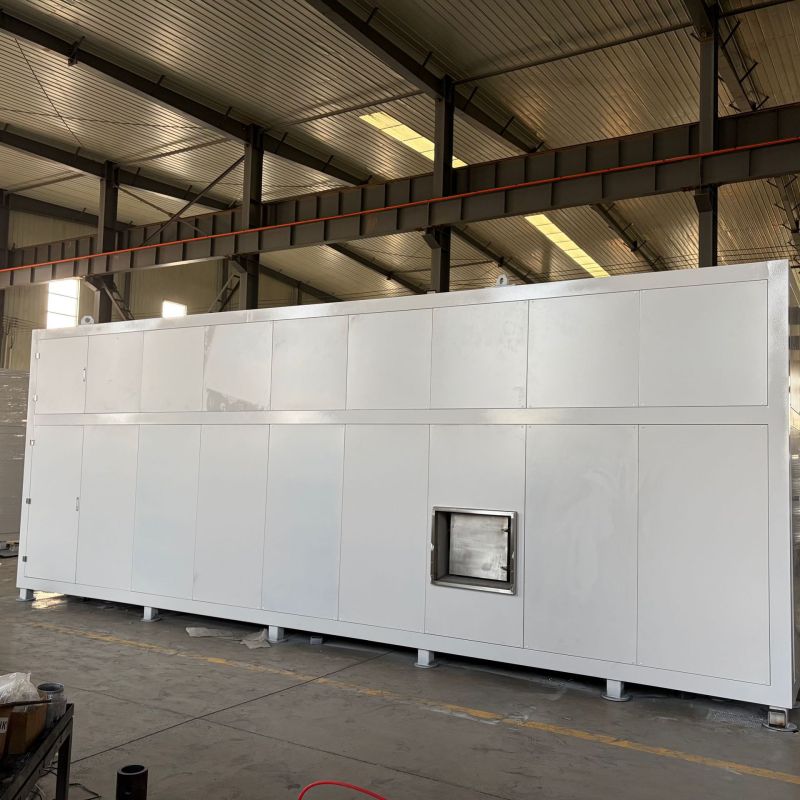
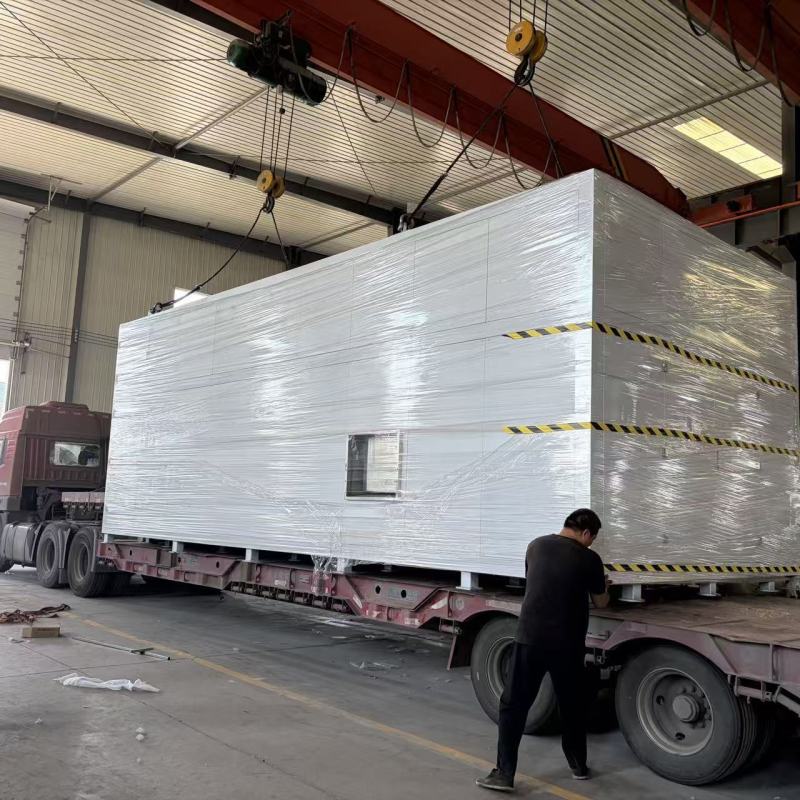
Daily 5 to 30 Ton Food Waste Degrading and Pressing Unit
Description
Advanced Industrial Kitchen Waste Degradation Press Machine for High-Volume Commercial Operations
In the modern landscape of commercial hospitality and large-scale food service, managing organic refuse is no longer just a logistical challenge but a critical component of operational efficiency and environmental stewardship. The integration of sophisticated Waste Disposal Equipment has become paramount for establishments aiming to reduce their carbon footprint while minimizing waste management costs. This comprehensive solution represents a leap forward in sustainable technology, specifically engineered to handle the rigorous demands of industrial kitchens. By combining mechanical shredding, enzymatic degradation, and high-pressure dehydration into a single automated workflow, this system offers a holistic approach to handling daily kitchen waste. It is designed not merely as a disposal unit but as a resource optimization tool that transforms problematic organic scrap into manageable, volume-reduced byproducts.
Overview of the System
The core of this innovation lies in its ability to process between 5 to 30 tons of daily kitchen waste, making it ideal for large hotels, central commissaries, university dining halls, and institutional cafeterias. Unlike traditional methods that rely on manual separation or simple grinding followed by collection, this industrial kitchen scrap biodegradation press system actively reduces the biological activity and moisture content of the waste at the source. The machine operates as an integrated organic refuse volume reduction processing equipment, ensuring that what leaves the facility is significantly lighter and less voluminous than what entered it. This drastic reduction in weight and volume translates directly into lower transportation fees, reduced frequency of waste pickups, and a smaller environmental impact associated with landfill usage. The system is built with durability in mind, utilizing corrosion-resistant materials to withstand the harsh, acidic, and saline environments typical of heavy-duty food preparation areas.
Key Features and Technical Specifications
This state-of-the-art apparatus boasts several distinguishing features that set it apart from conventional commercial food waste grinder and dehydrator unit models. First, the intelligent automatic control panel allows operators to monitor and adjust processing parameters in real-time, ensuring optimal performance regardless of the type or quantity of incoming waste. The system includes a multi-stage shredding mechanism capable of breaking down tough items such as bones, pits, and fibrous vegetable matter into fine particles, which accelerates the subsequent degradation process. Following shredding, the material enters the dehydration chamber where high-pressure pressing extracts up to 90% of the water content. This step is crucial as it inhibits bacterial growth and odor production, addressing one of the most common complaints associated with organic waste storage.
Furthermore, the automatic food residue degradation and pressing device incorporates a heating element that maintains an optimal temperature range for microbial activity if biological treatment is utilized, or simply aids in drying if physical dehydration is the primary goal. The output is a dry, compacted cake that can be easily disposed of or repurposed as compost feedstock, depending on local regulations. The entire process is enclosed within a sound-dampened and odor-sealed housing, ensuring that the operation does not disrupt the surrounding workspace or emit unpleasant smells. Energy efficiency is also a priority; the system utilizes variable frequency drives to adjust motor speed based on load, reducing power consumption during peak and off-peak hours. Maintenance is simplified through self-cleaning cycles and accessible components, minimizing downtime and labor requirements for servicing.
Detailed Operational Description
The operational workflow begins with the loading of mixed organic waste into the hopper. Once activated, the integrated food waste shredding and dewatering machine engages its robust cutting blades, pulverizing the waste into a uniform slurry. This pre-treatment is essential for maximizing the surface area exposed to heat and pressure in the next stage. The slurry is then conveyed into the pressing chamber, where hydraulic or mechanical force compacts the material. As the pressure increases, water is expelled through fine mesh filters, collected in a separate tank for proper drainage or further treatment. The remaining solid mass is ejected as a dense, dry block. This continuous cycle ensures that the machine can handle fluctuating volumes of waste throughout the day without manual intervention. The system’s design prevents clogging and jamming, a common issue with lesser machines, thanks to its anti-jamming sensor technology that automatically reverses rotation if resistance is detected. This reliability is vital for commercial operations where downtime can lead to significant waste accumulation and hygiene issues.
Applicable Scenarios and Use Cases
The versatility of this Waste Disposal Equipment makes it suitable for a wide array of industries. In the hospitality sector, large resort hotels and conference centers generate massive amounts of food scraps from buffets and banquets. This system provides a seamless way to manage these peaks in waste generation. Similarly, corporate campuses with extensive cafeteria facilities benefit from the space-saving aspect of volume reduction, allowing them to store less waste before collection. Educational institutions, including universities and boarding schools, face similar challenges due to the high density of diners. The system’s capacity to handle 5-30 tons daily ensures it can keep pace with student populations. Additionally, industrial food processing plants that produce significant organic by-products can utilize this machinery to manage their internal waste streams, turning a liability into a manageable asset. Even municipal food sorting facilities can employ this technology to preprocess mixed organic waste before final composting or anaerobic digestion, enhancing the overall efficiency of the waste management chain.
User Feedback and Performance Insights
Early adopters of this technology have reported substantial improvements in their waste management protocols. Facility managers appreciate the ease of use, noting that the automated nature of the commercial food waste grinder and dehydrator unit reduces the need for constant supervision. Users highlight the significant reduction in foul odors, which improves the working environment for kitchen staff. The dramatic decrease in waste volume has led to cost savings that many operators describe as unexpected, with some reporting reductions in waste hauling fees by over 60%. Environmental officers within organizations value the system’s contribution to sustainability goals, as it diverts a large portion of organic waste from landfills and reduces methane emissions. The durability of the machine has also been praised, with reports indicating stable performance even after months of continuous heavy-duty operation. These testimonials underscore the practical benefits of investing in advanced organic refuse volume reduction processing equipment.
Frequently Asked Questions
What types of waste can this machine process?
The system is designed to handle a broad spectrum of organic materials, including fruit and vegetable peels, leftover cooked food, meat scraps, bones, dairy products, and bread. It is particularly effective with mixed wet waste commonly found in commercial kitchens. However, non-biodegradable items such as plastics, metals, and glass should be excluded to prevent damage to the machinery.
How much space does the unit require?
The footprint of the industrial kitchen scrap biodegradation press system is optimized for efficiency. While exact dimensions vary by model capacity, the unit is generally compact enough to fit in dedicated utility rooms or back-of-house areas. Its vertical design maximizes processing capacity while minimizing floor space usage, making it suitable for facilities with limited square footage.
Is the noise level acceptable for indoor installation?
Yes, the machine is equipped with sound-insulating panels and vibration-dampening mounts. The operational noise level is kept well below standard occupational safety limits, ensuring that it does not disturb nearby offices, dining areas, or living quarters. This makes it safe for installation in sensitive environments.
What maintenance is required?
Routine maintenance involves regular cleaning of the filters and checking the wear parts of the shredding blades. The system’s self-cleaning function reduces the frequency of manual washing. Operators are advised to perform weekly inspections of the hydraulic systems and electrical connections to ensure long-term reliability. Spare parts are readily available, and the modular design facilitates easy replacement of worn components.
Can the dried output be used for composting?
Absolutely. The dried, compressed output retains organic matter and can be an excellent input for aerobic composting processes. Due to the low moisture content, it decomposes faster when mixed with bulking agents like sawdust or straw. This feature adds value to the system by facilitating a circular economy approach to waste management.
In conclusion, adopting this advanced Waste Disposal Equipment is a strategic decision for any organization committed to operational excellence and environmental responsibility. By leveraging the capabilities of the automatic food residue degradation and pressing device, businesses can transform their waste management practices, achieving significant cost savings and contributing to a cleaner, greener future. The integration of integrated food waste shredding and dewatering machine technology ensures that waste is handled efficiently, hygienically, and sustainably, meeting the highest standards of modern commercial operations.


You may also like


${currentPro.title}