Industrial Pulse Cleaning Dust Extraction Unit System
Description
High-Efficiency Industrial Pulse Filter Dust Collector: Advanced Waste Disposal Equipment for Heavy-Duty Applications
In the realm of modern industrial operations, maintaining air quality and ensuring regulatory compliance are paramount. The integration of advanced waste disposal equipment is no longer a luxury but a necessity for facilities aiming to optimize productivity while safeguarding worker health. This comprehensive product description outlines the capabilities of our state-of-the-art pulse filter dust collector, an industrial unit designed to meet the rigorous demands of heavy manufacturing environments. By leveraging cutting-edge filtration technology, this system offers superior performance in capturing fine particulate matter, making it an essential component of any effective industrial hygiene strategy.
Overview of the System
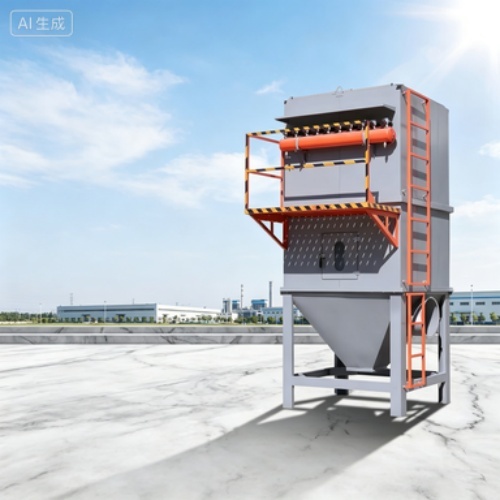
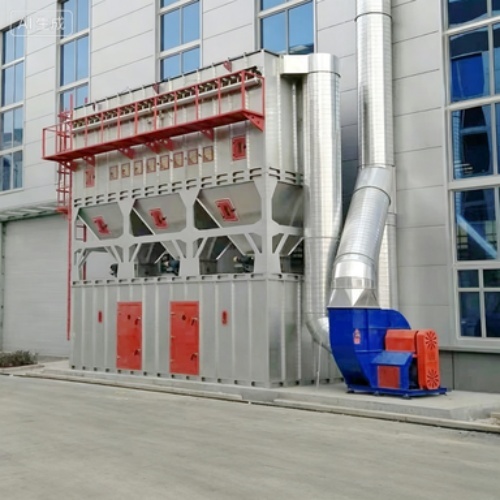
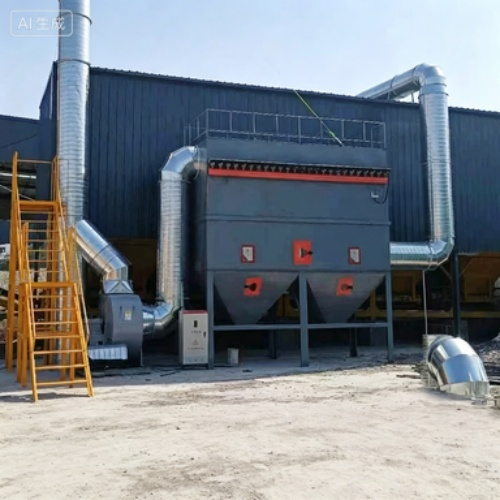
The core of this solution lies in its sophisticated design as a mobile pulse jet industrial dust collector. Unlike traditional static systems that require extensive installation infrastructure, this unit provides flexibility and mobility without compromising on power. It serves as an automatic pulse reverse air dust purifier, utilizing a dynamic cleaning mechanism that ensures continuous operation with minimal downtime. The system is engineered to handle high volumes of airborne contaminants, ranging from coarse sawdust to microscopic metal fines, thereby establishing itself as a robust industrial pulse jet dust purification system. Its compact footprint allows for easy integration into existing production lines, while its heavy-duty construction guarantees longevity even under the most challenging operational conditions.
Key Features and Specifications
This integrated pulse jet dust handling unit distinguishes itself through several critical features that enhance its efficiency and reliability. First, the high-efficiency pulse filter dust remover employs a multi-stage filtration process. The primary stage captures larger debris, while the secondary baghouse filters trap finer particles, achieving filtration efficiencies of up to 99.9% for particles as small as one micron. This dual-action approach ensures that the emitted air meets strict environmental standards.
Secondly, the automatic cleaning mechanism utilizes compressed air pulses to dislodge accumulated dust from the filter bags. This reverse-jet cleaning method prevents blinding of the filters, maintaining consistent airflow and pressure drop throughout the operational cycle. As a result, the efficient pulse filter waste dust handler operates at peak performance levels, reducing energy consumption associated with fan motors due to lower resistance across the filter media.
Furthermore, the unit is built with corrosion-resistant materials suitable for various industrial atmospheres. Whether dealing with acidic fumes or abrasive powders, the durable frame and specialized filter fabrics ensure extended service life. The control panel is user-friendly, featuring automated timers and differential pressure sensors that regulate the cleaning cycles intelligently. This smart functionality transforms the device into a truly autonomous waste disposal equipment, requiring minimal manual intervention.
Detailed Technical Description
To understand the engineering behind this compact pulse cleaning dust extraction machine, one must examine its internal architecture. The housing is constructed from galvanized steel or stainless steel options, depending on the specific application requirements. Inside, the filter cartridges or bags are arranged in a modular configuration, allowing for easy replacement and maintenance. The pulse valve assembly, located at the top of each filter element, delivers precise bursts of compressed air directed through a nozzle onto the filter surface.
This action creates a shockwave that travels down the length of the filter, shaking off the dust cake into the hopper below. The collected waste drops into a removable container or conveyor system for proper disposal, adhering to local hazardous waste regulations if applicable. The system also includes safety features such as spark detection and explosion venting, which are crucial when handling combustible dusts like aluminum or magnesium. These enhancements make the industrial pulse jet dust collection system not only efficient but also safe for use in high-risk environments.
The airflow dynamics within the unit are optimized using computational fluid dynamics (CFD) simulations. This ensures uniform distribution of air across all filter elements, preventing localized overloading and extending the lifespan of the filtration media. Additionally, the noise level of the pulse jet mechanism is minimized through sound-dampening enclosures, contributing to a quieter workplace environment. The combination of these technical advancements positions this product as a leader among compact pulse cleaning dust extraction machines available in the global market.
Application Scenarios and Use Cases
The versatility of this waste disposal equipment makes it suitable for a wide array of industries. In woodworking facilities, it effectively captures sawdust and wood chips generated by CNC routers, sanders, and planers. This prevents the accumulation of combustible dust, significantly reducing fire hazards. Similarly, in metalworking shops, the system handles welding fumes, grinding dust, and polishing residues. The high-efficiency pulse filter dust remover ensures that operators are protected from harmful respirable crystalline silica and metal oxides.
Casting foundries benefit greatly from the heavy-duty pulse filter dust collection capabilities of this unit. Molten metal processes generate significant amounts of smoke and particulate matter, which can be efficiently managed by this industrial pulse jet dust purification system. Pharmaceutical and chemical processing plants also rely on this technology to contain potent active ingredients and prevent cross-contamination between batches. The mobile nature of the pulse jet industrial dust collector allows it to be moved between different workstations, providing targeted extraction where it is needed most.
Moreover, recycling centers utilize this equipment to manage dust generated during the sorting and shredding of plastics, paper, and metals. By maintaining clean air, the facility improves working conditions and complies with occupational health and safety regulations. The ability to handle diverse types of waste streams underscores the adaptability of this integrated pulse jet dust handling unit, making it a valuable asset for any operation focused on sustainability and efficiency.
User Feedback and Performance Reviews
Feedback from industry professionals highlights the exceptional performance of this waste disposal equipment. Users report a noticeable improvement in air quality within their facilities after installing the automatic pulse reverse air dust purifier. Many have noted that the ease of maintenance reduces labor costs significantly, as the self-cleaning feature minimizes the need for frequent manual cleaning of filter bags. The durability of the construction has been praised, with many units operating continuously for years without major issues.
Operators appreciate the quiet operation compared to older centrifugal fan systems. The intelligent control system provides real-time data on filter status, allowing for proactive maintenance rather than reactive repairs. This predictive capability helps avoid unexpected breakdowns that could halt production. Furthermore, the compact design saves valuable floor space, enabling factories to maximize their layout efficiency. Overall, the consensus among users is that this efficient pulse filter waste dust handler represents a significant return on investment through improved safety, compliance, and operational continuity.
Frequently Asked Questions
Q: How does the pulse cleaning mechanism differ from other dust collection methods?
A: Unlike mechanical shakers or reverse flow systems, the pulse jet method uses short, high-pressure bursts of air to clean filters instantly while the system continues to operate. This results in higher air-to-cloth ratios and more compact designs compared to other technologies.
Q: Can this unit handle explosive dusts?
A: Yes, optional explosion protection kits including vent panels, isolation valves, and inert gas injection ports are available. However, specific configurations must be selected based on the Kst value of the dust being collected.
Q: What is the recommended maintenance schedule?
A: While the automatic cleaning system reduces daily maintenance, it is recommended to inspect the pulse valves and filter bags every three to six months, depending on usage intensity. Regular checks ensure optimal performance and early detection of wear.
Q: Is the system suitable for outdoor use?
A: Standard models are designed for indoor use. For outdoor applications, weatherproof enclosures and heated components may be required to prevent condensation and freezing of compressed air lines.
Q: How do I determine the correct airflow capacity for my needs?
A: A professional assessment considering the number of capture points, ductwork length, and type of material being collected is necessary. Our engineering team can provide a customized solution based on your specific site requirements to ensure the industrial pulse jet dust collection system performs optimally.


You may also like


${currentPro.title}