Advanced MSW Sorting System Combining Trommel Screening and Wind Selection
Description
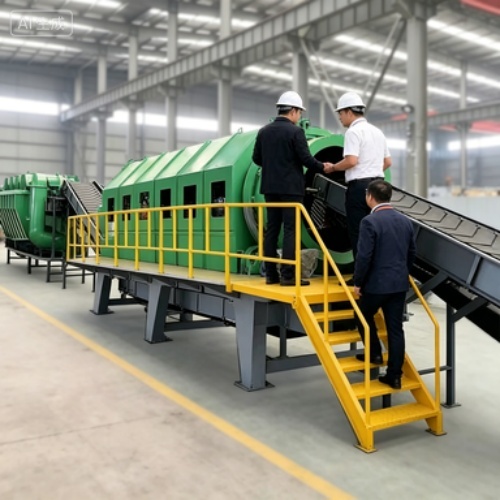
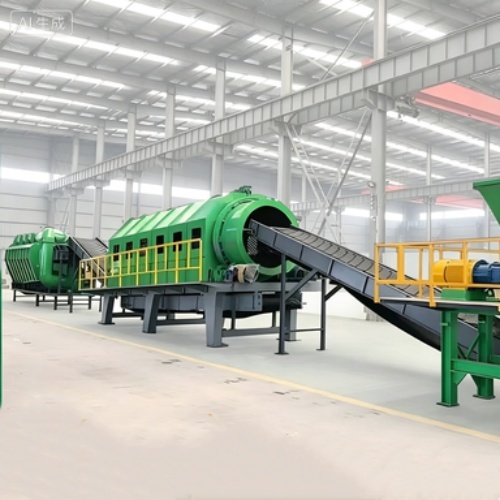
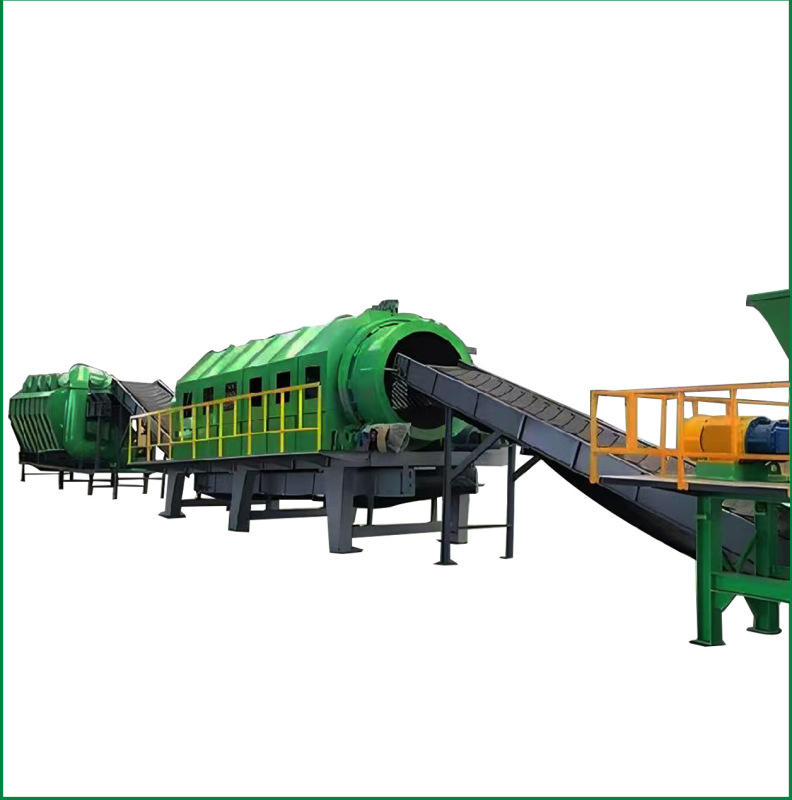
Product Title: Advanced Municipal Solid Waste Sorting Line and Integrated Waste Management Solution Overview The modern landscape of urban sanitation and environmental sustainability demands robust, efficient, and intelligent solutions for handling the ever-growing volume of municipal solid waste. Our flagship Waste Disposal Equipment represents a paradigm shift in refuse processing technology, designed specifically to meet the rigorous standards of contemporary waste management facilities. This comprehensive system integrates advanced mechanical separation techniques with innovative air selection units to create a highly effective garbage segregation machine capable of processing household trash and commercial refuse with unprecedented precision. By combining a bag breaking roller mechanism with a drum screen and high-efficiency rubbish separator, this solution offers a customized approach to waste recycling that maximizes resource recovery while minimizing landfill dependency. Whether you are managing a large-scale municipal refuse processing plant or seeking an optimized solid waste recycling system for industrial applications, our integrated waste management solution provides the reliability and performance necessary to transform waste streams into valuable secondary resources. Key Features Our Waste Disposal Equipment is engineered with cutting-edge components that ensure superior operational efficiency and durability. The core of the system features a specialized bag breaking roller designed to rupture compacted waste bags without damaging the contents, allowing for immediate exposure of materials for subsequent sorting stages. This is complemented by a heavy-duty drum screen that effectively separates fine organic matter from larger recyclables based on size differentiation. The integration of an air selection unit, also known as a wind selection system, utilizes controlled airflow to separate lightweight materials such as plastics and films from heavier fractions like glass, metals, and inert debris. This multi-stage process ensures a high purity rate for recovered materials, making it ideal for downstream recycling processes. Furthermore, the system is fully customizable, allowing operators to tailor the configuration to specific input waste characteristics and output requirements. The modular design facilitates easy maintenance and scalability, ensuring long-term cost-effectiveness and operational continuity. Detailed Description At the heart of our Waste Disposal Equipment lies a sophisticated mechanical architecture designed to tackle the complexities of mixed municipal solid waste. The process begins with the feeding stage, where unsorted refuse is introduced into the system. Here, the bag breaking roller plays a critical role. Unlike traditional shredders that may tangle or jam, this specialized roller gently but firmly breaks open sealed waste bags, releasing the contents for analysis and separation. This step is crucial for ensuring that all materials are accessible for sorting, thereby preventing contamination and improving the overall yield of recyclable materials. Following the bag breaking phase, the material moves onto the drum screen. This rotating cylindrical sieve sorts particles by size, separating fines such as soil, food waste, and small fragments from larger items like bottles, cans, and packaging. The undersize fraction is typically directed towards composting or anaerobic digestion facilities, while the oversize fraction proceeds to the next stage of purification. This physical separation method is energy-efficient and requires minimal water usage, aligning with sustainable operational practices. The most distinctive feature of our integrated waste management solution is the inclusion of the air selection unit. Also referred to as a high-efficiency rubbish separator with wind selection capabilities, this component leverages aerodynamic principles to separate materials based on their density and drag coefficient. Lightweight materials, including polyethylene films, paper, and certain types of plastics, are lifted and carried away by the airstream, while heavier materials such as glass, ceramics, and metals fall through due to gravity. This precise separation significantly enhances the quality of the recovered plastic fraction, which is essential for meeting the stringent requirements of recycling markets. Additionally, the system can be configured with magnetic separators and eddy current dividers to further extract ferrous and non-ferrous metals, creating a comprehensive solid waste recycling system that addresses multiple waste streams simultaneously. The construction of this Waste Disposal Equipment emphasizes durability and ease of use. High-wear components are made from abrasion-resistant materials to extend service life and reduce downtime. The control system is intuitive, allowing operators to monitor performance metrics in real-time and adjust parameters as needed. This level of automation not only improves safety but also reduces labor costs associated with manual sorting. Moreover, the customizable nature of the garbage segregation machine means that it can be adapted to various scales of operation, from small community-based facilities to large municipal refuse processing plants. Use Cases This versatile Waste Disposal Equipment is applicable across a wide range of environments where efficient waste management is paramount. In municipal settings, it serves as the backbone of city-wide recycling programs, processing daily collections of household trash and street sweepings. It helps local governments comply with strict environmental regulations by diverting significant portions of waste from landfills and incinerators. For commercial entities, such as shopping malls, airports, and transportation hubs, the system manages high volumes of mixed waste generated by consumers, ensuring that recyclables are properly segregated and processed. Industrial applications also benefit greatly from this technology. Manufacturing facilities that generate mixed waste streams can utilize the solid waste recycling system to recover valuable materials and reduce disposal costs. Hazardous waste treatment centers may incorporate the air selection unit to safely separate combustible materials from inert residues. Additionally, the equipment is suitable for use in transfer stations, where it acts as a pre-processing unit to optimize the load for transport to final recycling or disposal sites. By implementing this customized garbage segregation machine, organizations can enhance their sustainability profiles, reduce operational expenses, and contribute to a circular economy. User Reviews Operators who have implemented our Waste Disposal Equipment report significant improvements in sorting accuracy and throughput. Many users highlight the effectiveness of the bag breaking roller in reducing blockages and increasing the speed of the initial processing stage. The drum screen has been praised for its ability to handle varying moisture levels in the waste stream without clogging. Users particularly value the air selection unit's capacity to produce clean plastic fractions, which command higher prices in the recycling market. Maintenance teams appreciate the modular design, noting that routine inspections and part replacements are straightforward and quick. Overall, feedback indicates that the integrated waste management solution has exceeded expectations in terms of reliability and performance, providing a strong return on investment. Frequently Asked Questions What is the primary function of the bag breaking roller in the Waste Disposal Equipment? The bag breaking roller is designed to rupture sealed waste bags upon entry into the system. This action exposes the contents for subsequent sorting stages, preventing the need for manual opening and ensuring that all materials are available for separation. It is essential for maintaining a smooth workflow and preventing jams in downstream equipment. How does the air selection unit improve the quality of recycled materials? The air selection unit, or wind selection system, separates materials based on their weight and aerodynamic properties. By lifting lightweight plastics and films while allowing heavier materials to fall, it creates a cleaner stream of recyclables. This reduces contamination in the final product, making it more attractive to buyers and increasing its market value. Can this system be customized for specific waste types? Yes, the garbage segregation machine is highly customizable. We can adjust the configuration of the drum screen, the intensity of the airflow in the air selection unit, and the addition of other sorting technologies to suit specific waste compositions and desired output specifications. This flexibility allows for tailored solutions for different municipal refuse processing plants and industrial applications. Is the system suitable for processing wet waste? While the system is primarily designed for mixed municipal solid waste, it can handle waste with moderate moisture content. However, excessively wet waste may affect the efficiency of the air selection unit. In such cases, pre-drying steps or adjustments to the drum screen settings may be recommended to optimize performance. What maintenance is required for the Waste Disposal Equipment? Regular maintenance includes inspecting the bag breaking rollers for wear, cleaning the drum screen to prevent buildup, and checking the integrity of the air ducts. The modular design allows for easy access to components, facilitating quick repairs and part replacements. We recommend following the manufacturer's guidelines for lubrication and inspection schedules to ensure optimal longevity. By choosing our Waste Disposal Equipment, you are investing in a future where waste is no longer a burden but a resource. Our commitment to innovation, quality, and customer satisfaction ensures that your waste management operations run smoothly, efficiently, and sustainably. Embrace the power of advanced sorting technology and transform your approach to municipal solid waste today.


You may also like


${currentPro.title}